


Views: 0 Author: Site Editor Publish Time: 2026-07-06 Origin: Site


Have you ever wondered how those stunning freshwater pearls make their way into beautiful jewelry? These gems are not only captivating but also hold a unique place in the market. In this article, we’ll explore the fascinating process of freshwater pearl harvesting, their qualities, and what makes them so special.
Table of Contents
Freshwater pearls are renowned for their impressive size and exceptional luster. Unlike their saltwater counterparts, which typically produce smaller pearls, freshwater mussels can yield pearls that are significantly larger—sometimes up to ten times the size of saltwater pearls. This remarkable growth potential makes them highly sought after in the jewelry market.
The luster of freshwater pearls is another defining characteristic. Their surface reflects light beautifully, giving them a captivating, mirror-like sheen. This luster is a result of the layers of nacre that form around the irritant inside the mussel. The thicker and more numerous these layers, the more radiant the pearl appears. High-quality freshwater pearls often exhibit a depth of luster that rivals even the most prized saltwater varieties.
A striking feature of freshwater cultured pearls is their purity. Unlike many saltwater pearls, which require a bead nucleus for formation, freshwater pearls develop naturally around small pieces of mantle tissue implanted into the mussel. This method, known as nucleation, allows the mussel to create multiple pearls simultaneously—often producing several pearls in a single cycle.
The formation process begins when the mussel is nucleated. Over time, it secretes nacre, which coats the irritant. The layers of nacre build up gradually, resulting in a pearl. This natural process can take anywhere from two to six years, depending on the species of mussel and environmental conditions. The purity of freshwater pearls is further enhanced by the absence of a bead nucleus, leading to a more organic and natural appearance.
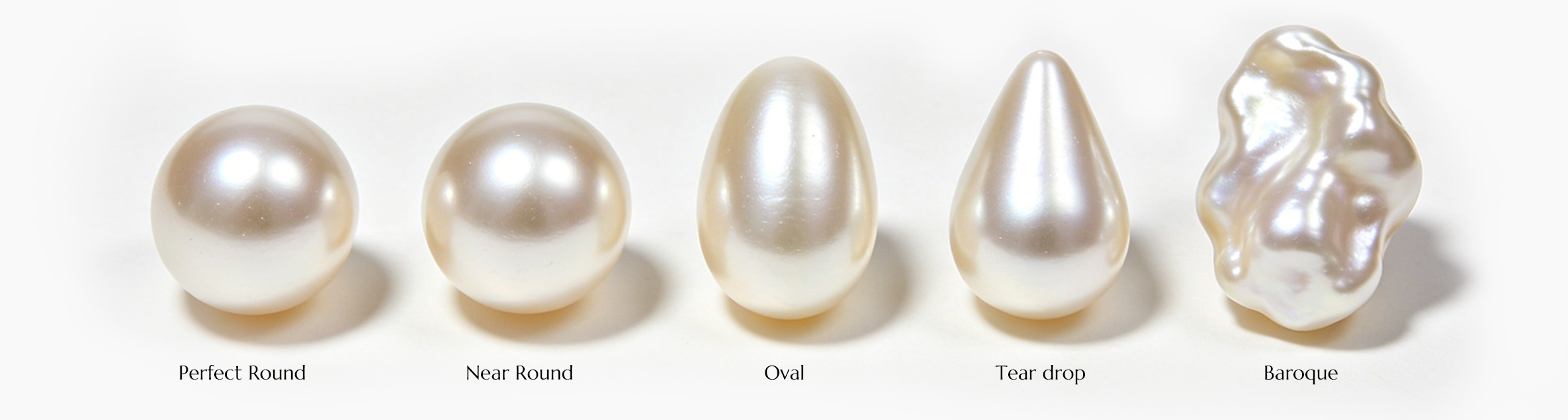
Freshwater pearls are celebrated for their incredible diversity in shapes and colors. While traditional round pearls are often the most sought after, the majority of freshwater pearls are baroque, meaning they possess unique and irregular shapes. This variety appeals to many jewelry designers, as baroque pearls can add character and individuality to pieces.
Color is another area where freshwater pearls shine. They naturally occur in a spectrum of hues, including white, pink, lavender, and even deeper shades like blue and gold. The color variations are influenced by the mussel’s environment and genetics, providing a vast palette for jewelers and consumers alike. This range allows for creative freedom in jewelry design, enabling pieces that can suit any style or occasion.
In conclusion, the unique qualities of freshwater pearls—size, luster, purity, and variety—make them a captivating choice for jewelry enthusiasts. Their distinct characteristics not only enhance their aesthetic appeal but also contribute to their growing popularity in the global market.

Tip: When selecting freshwater pearls for jewelry, consider their luster and shape, as these factors significantly impact their overall beauty and value.
Freshwater pearl farming begins with a fascinating process called nucleation. This technique involves implanting small pieces of mantle tissue into the mussel. Unlike saltwater pearls, which often use a bead nucleus, freshwater pearls rely on this natural method. The mussel reacts to the implanted tissue, secreting layers of nacre around the irritant. This nacre is what eventually forms the pearl.
In the early stages of farming, farmers collect high-quality mussels and prepare them for nucleation. Each mussel can produce multiple pearls in a single cycle, making this method both efficient and cost-effective. After nucleation, the mussels are placed in protective baskets submerged in clean water, ensuring they are safe from predators while they grow.
The journey from larvae to baby oysters is a crucial phase in freshwater pearl farming. Initially, farmers spawn the mussels, mixing eggs and sperm to create larvae. These larvae are nurtured in controlled environments, allowing them to attach to stable surfaces like rocks or substrates in the water.
After a few months, they grow into baby oysters. At this stage, they are carefully transferred to nursery areas where they continue to develop. The farmers monitor their growth closely, ensuring optimal conditions for their health. This nurturing process can take several months to years, depending on environmental factors and the specific species of mussel.
The moment of truth arrives when the pearls are ready for harvest. The harvesting process typically occurs in winter, as the cooler temperatures contribute to better luster. Farmers carefully lift the mussels from the water, transporting them to processing facilities.
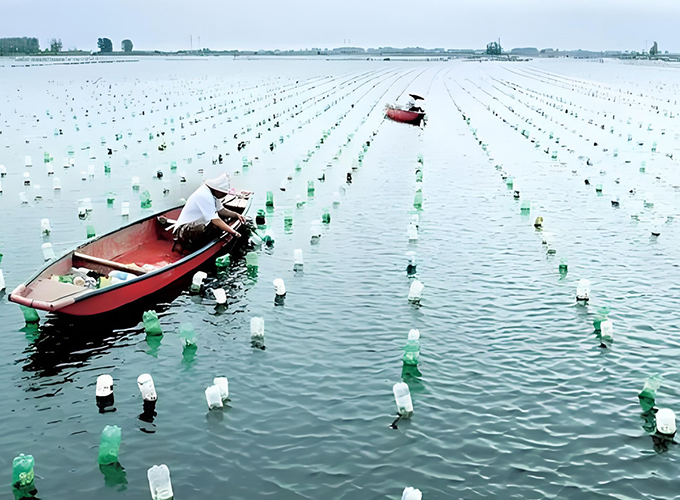
Once there, each mussel is opened, and the pearls are extracted. This delicate operation requires skilled hands to avoid damaging the pearls. After extraction, the pearls are cleaned and sorted based on quality, size, and luster. It’s not uncommon for farmers to sift through thousands of pearls to find a select few that meet the high standards required for jewelry.
The harvested pearls may undergo additional treatments, such as polishing, to enhance their natural shine. This meticulous process ensures that only the best pearls make it to the market.
In conclusion, the process of freshwater pearl farming is a blend of art and science. From nucleation to harvest, each step is essential in producing the stunning pearls that adorn jewelry pieces worldwide.
Tip: Always verify the sustainability practices of pearl farms to ensure ethical sourcing and environmental responsibility in your pearl purchases.
Sustainable farming practices are crucial in freshwater pearl harvesting. These methods help protect the delicate ecosystems where mussels thrive. Over the years, traditional pearl farming has faced challenges like pollution, habitat destruction, and climate change. Unsustainable practices can lead to depletion of mussel populations and degrade water quality. By adopting sustainable techniques, pearl farmers can ensure the health of both the environment and their business. This balance is vital, as it supports biodiversity and maintains the natural resources needed for pearl production.
Eco-friendly practices in freshwater pearl farming include using clean water sources and avoiding harmful chemicals. Farmers often implement measures to monitor water quality, ensuring it remains suitable for mussel growth. Additionally, many farms now focus on minimizing waste and reusing byproducts. For instance, shells from harvested mussels can be repurposed for various applications, reducing environmental impact. Furthermore, some farms engage in local conservation efforts, such as restoring habitats and supporting biodiversity initiatives. These practices not only benefit the environment but also enhance the quality of pearls produced.
The impact of sustainable pearl farming extends beyond individual farms. Healthy mussel populations contribute to cleaner water and improved habitats for other aquatic species. By maintaining a balanced ecosystem, farmers can help sustain local fisheries and promote biodiversity. Moreover, sustainable practices can lead to greater economic opportunities for communities reliant on pearl farming. When farms operate responsibly, they create jobs and stimulate local economies while preserving the environment. This synergy between economic growth and ecological health is essential for the future of freshwater pearl harvesting.
Tip: When purchasing freshwater pearls, look for certifications that indicate sustainable and eco-friendly farming practices to support responsible sourcing.
When it comes to freshwater pearls, quality is key. The grading system used by jewelers helps determine a pearl's value based on several critical factors. These include surface quality, shape, luster, matching, and color. Each of these elements plays a significant role in how a pearl is perceived in the market.
Surface Quality: A pearl's surface should ideally be smooth and free from blemishes. Pearls with fewer imperfections are generally more valuable. Jewelers closely inspect each pearl for any marks, bumps, or irregularities.
Shape: Freshwater pearls come in various shapes, from perfectly round to baroque. While round pearls are often the most sought after, unique shapes can also command high prices, especially in contemporary jewelry design.
Luster: Luster is perhaps the most defining feature of a pearl. It refers to how well the pearl reflects light. High-luster pearls exhibit a deep, mirror-like quality, making them particularly desirable. Jewelers often emphasize luster when grading pearls, as it can significantly enhance their overall beauty.
Matching: For jewelry pieces featuring multiple pearls, matching is essential. Pearls should be similar in size, shape, and luster to create a harmonious look. Jewelers take great care in selecting pearls that complement each other, as mismatched pearls can detract from the overall appeal of a piece.
Color: Freshwater pearls are available in a wide range of colors, influenced by the mussel's environment and genetics. Popular colors include white, pink, lavender, and gold. The rarity of certain colors can affect a pearl's market value, making color an important factor in grading.
Surface quality is influenced by several factors throughout the pearl's development. Environmental conditions, such as water quality and temperature, play a crucial role. Mussels exposed to pollutants or poor water conditions may produce pearls with more blemishes. Additionally, the nucleation process impacts surface quality. Pearls formed around mantle tissue rather than a bead nucleus often have a more organic and smooth surface.
Matching pearls for jewelry requires meticulous attention to detail. Jewelers often spend hours selecting pearls that fit together seamlessly. The goal is to create a visually appealing piece that highlights the natural beauty of each pearl.
Color variations add another layer of complexity. While some consumers prefer classic white pearls, others are drawn to the vibrant hues of pink or lavender. This diversity allows for creative expression in jewelry design.
In summary, evaluating the quality of freshwater pearls involves a comprehensive understanding of grading systems, surface quality, and the nuances of matching and color. Each factor contributes to the overall value and desirability of these exquisite gems.
Tip: When purchasing freshwater pearls, pay close attention to luster and surface quality, as these elements significantly impact their beauty and value.
Freshwater pearl farming is not just about producing beautiful gems; it significantly impacts local economies. This industry creates numerous jobs, from farmers and harvesters to artisans and jewelers. In rural areas, where employment opportunities may be limited, pearl farming offers a vital source of income. Farmers rely on the consistent demand for freshwater pearls, which allows them to sustain their families and communities.
Additionally, the pearl farming industry supports ancillary businesses, such as transportation, processing, and retail. Local shops benefit from increased tourism as visitors come to learn about pearl farming and purchase jewelry. This influx of economic activity can lead to improved infrastructure and services, enhancing the overall quality of life in these regions.
Despite the benefits, freshwater pearl farmers face several challenges. Environmental factors, such as pollution and climate change, threaten the health of mussel populations. Poor water quality can lead to lower pearl production and even the death of mussels. Farmers must adapt to these changes by implementing sustainable practices, which can be costly and time-consuming.
Market fluctuations also pose a challenge. Prices for freshwater pearls can vary based on demand, competition, and economic conditions. Farmers may struggle to secure fair prices for their products, impacting their livelihoods. Additionally, the industry faces competition from synthetic pearls, which can undermine the market for natural pearls.
The demand for freshwater pearls has been steadily increasing due to their unique qualities and affordability. As consumers become more aware of the environmental impact of their purchases, many seek ethically sourced pearls. This shift in consumer behavior has led to a growing market for sustainably farmed freshwater pearls.
Pricing for freshwater pearls depends on various factors, including size, luster, color, and shape. High-quality pearls can command premium prices, while those with imperfections may sell for less. The grading system plays a crucial role in determining the market value of pearls. Farmers who adhere to sustainable practices can often charge higher prices, reflecting the quality and ethical sourcing of their pearls.
In summary, freshwater pearl farming is a vital economic activity that supports local communities, despite facing challenges from environmental factors and market fluctuations. As demand for ethically sourced pearls continues to rise, farmers who prioritize sustainability may find greater opportunities for success.
Tip: When sourcing freshwater pearls, consider partnering with farms that prioritize sustainable practices to support both the environment and local economies.
Freshwater pearls are a versatile choice for a wide array of jewelry designs. They can be found in everything from classic necklaces and earrings to modern bracelets and rings. Jewelry designers love using freshwater pearls due to their unique shapes, sizes, and colors.

Necklaces: Freshwater pearl necklaces are timeless pieces. They can be worn alone for a classic look or layered with other necklaces for a trendy stacked effect. Designers often use a mix of shapes and colors to create eye-catching pieces.
Earrings: Earrings featuring freshwater pearls range from simple studs to elaborate chandelier designs. They add a touch of elegance and can be customized to suit any outfit or occasion.
Bracelets: Freshwater pearl bracelets are popular for their ability to blend seamlessly with both casual and formal attire. They can be strung together in a single strand or combined with other materials like gold or silver for a more modern look.
Rings: Pearl rings are a unique way to showcase freshwater pearls. They can be set in various styles, from delicate bands to bold statement pieces, making them a favorite among jewelry enthusiasts.
The world of pearl jewelry is constantly evolving. Recent trends highlight the adaptability of freshwater pearls in contemporary design:
Baroque Pearls: These irregularly shaped pearls have surged in popularity. Their unique forms add character to jewelry pieces, making them highly sought after by fashion-forward consumers.
Mixed Materials: Designers are increasingly combining freshwater pearls with other materials, such as leather, gold, and gemstones. This fusion creates striking contrasts and enhances the overall aesthetic.
Personalization: Customized pearl jewelry is on the rise. Consumers are looking for pieces that reflect their personal style, leading to the incorporation of initials, birthstones, or meaningful symbols alongside freshwater pearls.
Sustainable Practices: As consumers become more environmentally conscious, there is a growing demand for sustainably sourced pearls. Jewelry makers are highlighting their commitment to eco-friendly practices, which resonates with modern buyers.
To keep freshwater pearl jewelry looking its best, proper care and maintenance are essential. Here are some tips:
Avoid Chemicals: Pearls are sensitive to chemicals found in perfumes, lotions, and cleaning products. It's best to apply these products before putting on pearl jewelry.
Clean Gently: Use a soft, damp cloth to wipe pearls after wearing them. This removes any oils or dirt that may have accumulated.
Store Properly: Store freshwater pearls in a soft pouch or a separate compartment in a jewelry box to prevent scratching. Avoid storing them with harder gemstones.
Regular Checks: Periodically check the stringing of pearl necklaces and bracelets. If they become loose, consider having them re-strung by a professional to avoid losing any pearls.
In summary, freshwater pearls offer endless possibilities in jewelry design. Their unique qualities, combined with current trends and proper care, ensure that these gems remain a cherished choice for jewelry lovers everywhere.
Tip: When purchasing freshwater pearl jewelry, look for pieces that highlight sustainable sourcing to support eco-friendly practices in the industry.
Sustainable practices remain vital for the future of freshwater pearl farming. Farmers are adapting to environmental challenges while maintaining healthy mussel populations. Future trends indicate a growing demand for unique, sustainably sourced pearls. Freshwater pearls are celebrated for their beauty and versatility in jewelry design. Xueluo offers a stunning range of freshwater pearl products, showcasing their unique qualities and commitment to eco-friendly practices. By choosing Xueluo, customers support sustainable farming and enjoy exquisite jewelry pieces.
A: Freshwater pearls are organic gems formed within freshwater mussels, known for their unique shapes, sizes, and exceptional luster.
A: Freshwater pearls are harvested by carefully opening mussels after a growth period, extracting the pearls, and then cleaning and sorting them based on quality.
A: Freshwater pearls offer diverse colors, shapes, and sizes, making them a versatile and affordable choice for various jewelry designs.
A: The price of freshwater pearls is influenced by size, luster, shape, and color, with high-quality pearls commanding higher prices in the market.
A: To maintain freshwater pearls, avoid chemicals, clean gently with a soft cloth, store properly, and regularly check for loose stringing.


