


Views: 0 Author: Site Editor Publish Time: 2026-06-06 Origin: Site


You see many things affect freshwater pearl prices. These things include type, size, shape, luster, surface quality, color, nacre thickness, and market changes. When you look at freshwater pearls, you notice big size, perfect round shape, and strong shine make them worth more. Clean surfaces and thick nacre make pearls last longer and look better. Here is why each thing matters:
Size: Bigger pearls are worth more.
Shape: Round pearls are wanted more.
Luster: Bright shine makes pearls nicer.
Surface Quality: Fewer marks make pearls cost more.
Color: Special colors can raise price.
Nacre Quality: Thick nacre helps pearls last.
Factor | Significance |
|---|---|
Size | Bigger pearls are harder to find and usually cost more. |
Shape | Perfect round pearls are liked most and are more expensive. |
Color | The color of a pearl can change its price a lot. |
Luster | Strong shine makes pearls look lively and adds value. |
Surface Quality | Pearls with no marks are very rare and cost more. |
Nacre Thickness | Thick nacre makes pearls stronger and shinier. |
Origin | Pearls from famous places often cost more. |
Knowing how pearls are valued helps you make good choices when buying in bulk.
Table of Contents
Bigger pearls are worth more and not easy to find. Round pearls are liked best and cost extra money. Pearls with strong luster look better and are worth more. Pearls with less marks are rare and cost more. Special colors can make pearls much more expensive. Thick nacre makes pearls last longer and shine brighter. Where pearls come from changes their quality and price, so ask about it. Pearl prices change because of market trends and how many people want them.
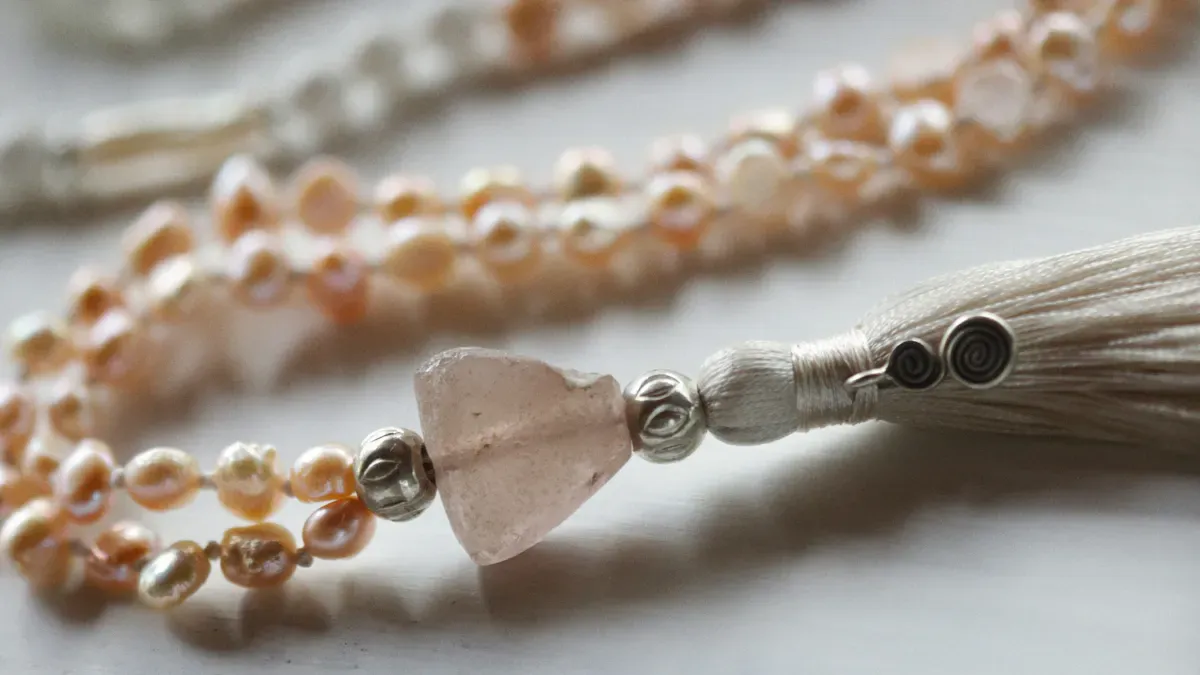
The type and where a pearl comes from change its price a lot. Most freshwater pearls are made in China. China uses new ways to grow pearls and makes many pearls each year. Because there are so many, freshwater pearls usually cost less than saltwater pearls. In China, one mollusk can make 35 to 50 pearls. Saltwater mollusks make much fewer pearls. This is why natural and saltwater pearls cost more.
Some places, like Zhejiang Province in China, are known for great freshwater pearls. The water and how they grow pearls there help make pearls shiny and round. Pearls from these famous places cost more because the quality is better. Where a pearl comes from can change the price. You should always ask where pearls are from when you compare prices.
How long a pearl grows and how it starts growing both matter for price. If a pearl grows longer, it gets more nacre. This makes the pearl bigger and shinier. Pearls like this are worth more because they look nice and last longer. But growing pearls longer can be risky. Bad water or sickness can hurt the pearls and raise costs.
Pearl growth starts when a worker puts a small thing inside the mollusk. The mollusk covers it with layers of nacre. This makes the pearl. Pearls with thick nacre, bright shine, and smooth surfaces are rare. These pearls cost more. How many pearls survive and how many get rejected also change the price. If you want the best pearls, look for ones that grew longer and have thick nacre.
Size and shape are very important for pearl prices. Pearls come in many sizes. Some are tiny, only 2 to 5mm. Some are big, like 10 to 11mm or more. Big pearls are hard to find, so they cost more. Here is a table that shows how size changes how many pearls you get:
Pearl Size (mm) | Count per kg |
|---|---|
6-7 | 2,000-2,500 |
10-12 | 400-600 |
Shape is important too. Round pearls are the most wanted and are rare. They cost the most. Other shapes, like oval or baroque, are easier to find and cost less. The Gemological Institute of America (GIA) has a system to grade pearls. It looks at size, shape, color, shine, surface, nacre, and matching. This helps you see why some pearls are worth more.
When you buy cultured pearls, check what grading system is used. Some sellers use letters like A, AA, or AAA. These grades are not always the same everywhere. You should ask how the pearls are graded. This helps you get the best pearls for your money.
Tip: Always look at pearl size, shape, and grading before you buy a lot. This helps you get good pearls and no surprises.
When you look at freshwater pearls, you notice that luster stands out right away. Luster means how much light the pearl reflects. Pearls with a stunning luster look bright and almost mirror-like. These pearls command the highest prices in the wholesale market. You can use luster to judge the value of cultured pearls quickly.
Pearls with high luster show sharp, clear reflections. These pearls look like tiny mirrors and bring premium prices.
Pearls with medium luster have bright but softer reflections. These pearls offer good value for everyday jewelry.
Pearls with low luster look dull or chalky. These pearls cost much less and do not attract as much attention.
Surface quality also plays a big role in pricing. When you inspect a pearl, check for marks, bumps, or spots. The fewer blemishes you see, the higher the value. Many wholesalers use a grading scale to describe pearl surface quality:
AAAAA: 99-100% blemish-free, almost a smooth, flawless surface
AAAA: 95-99% clean
AAA: 90-95% clean
AA: 80-90% clean
A: 60-80% clean
You want pearls with the cleanest surfaces for the best value. Even small marks can lower the price. When you buy in bulk, always ask about the grading system. This helps you compare pearls from different suppliers. If you want to offer high-quality shine to your customers, focus on pearls with top luster and surface grades.
Color gives freshwater pearls their unique beauty. You can find natural pearls in many shades, such as white, pink, lavender, and peach. Some pearls show rich, rare colors that make them stand out. Pearls with special colors, like pink or gold, often cost more because they are harder to find. In recent years, rare colors have seen a price surge in the wholesale market.
Nacre thickness is another key factor. Nacre is the layer that covers the pearl and gives it shine and strength. The thicker the nacre, the more luster a pearl has. Thick nacre also makes pearls last longer and resist damage. Pearls with thin nacre may peel or lose their shine over time. For example, pearls with nacre thickness below 0.3mm can lose value quickly because they are less durable.
When you choose cultured pearls, always check the nacre quality. Pearls with thick nacre and a perfect round shape will have a higher value. These pearls show brighter luster and keep their beauty for many years. If you want to offer the best to your clients, look for pearls with strong color, thick nacre, and a high-quality shine.
Tip: Always ask your supplier about pearl color, nacre thickness, and grading. This helps you get the best value and avoid surprises in your bulk orders.
You need a simple way to compare pearls when buying many. Most sellers use grading standards to judge pearl quality and set prices. These rules help you know what you are getting and make smart choices. The table below lists the main things to check:
Quality Factor | Description | Importance for Buyers |
|---|---|---|
Luster | How much light bounces off the pearl | Very important for customers; bad luster means returns |
Surface Quality | How much of the pearl is smooth | Changes how many pearls you can sell |
Shape | How round and even the pearl is | Round pearls are worth much more |
Color | The main color and extra tones | Some colors sell better |
Size | How wide the pearl is in millimeters | Bigger pearls can cost a lot more |
You should always ask your seller about their grading system. Some use letters like A, AA, or AAA. Others use numbers or special words. Make sure you know what each grade means before you buy a lot. This helps you avoid problems and makes sure you get the right value for your business.
When you buy a lot of pearls, you want good prices and quality. You can often get better deals if you know how pearl prices work. Sellers may give discounts for big orders, but you must check that quality stays high. Always ask for a price list that shows how price changes with size, shape, and grade.
You should compare offers from different sellers. Look at their grading rules, order sizes, and shipping fees. Ask if they give samples or let you see pearls before you buy. This step keeps your money safe and helps you trust your seller.
Tip: Work with good sellers for a long time. This can get you better prices and first pick of the best pearls.
You need a plan to check value when buying many pearls. Here are some steps you can use:
Learn the grading system and what each part means.
Focus on luster, since shiny pearls are wanted most.
Check the surface. Fewer marks mean you can sell for more.
Look at shape. Perfectly round pearls are rare and cost more.
Think about size. Bigger pearls are hard to find and cost the most.
You can use this guide to compare offers and find the best deals. Always ask for a list of grades and prices. This helps you see where the value is and not pay too much. When you follow these steps, you can make more money and give your customers the best pearls.
Note: A clear price list and careful checks help you save money and keep quality high in every order.
Supply and demand decide how much pearls cost. When there are fewer pearls, prices go up. In 2023, there were about 40% fewer freshwater pearls than last year. This made pearl prices rise by 30% to 40%. Many people in China still want pearls for jewelry and gifts. When supply is low but demand stays strong, prices get higher. You should watch these changes because they change what you pay when buying a lot of pearls.
Fewer pearls mean prices go up.
High demand keeps prices high.
Shortages can make prices change fast.
It is important to know how retail markups and distribution affect pearl prices. Pearls go from farms to wholesalers and then to stores. Each step adds more cost. Stores raise prices to pay for rent, workers, and ads. The final price for pearls includes all these extra costs. If you buy from a wholesaler, you pay less. If you buy from a store, you pay more because of markups. Shipping also matters. Pearls sent far away cost more because of shipping and taxes. You should check prices from different sellers to see what pearls cost in each place.
Distribution Step | Impact on Price |
|---|---|
Farm to Wholesaler | Lower price |
Wholesaler to Retailer | Higher price |
Retailer to Consumer | Highest price |
Tip: Ask your seller how they move pearls. This helps you know the price and find the best deal.
Global trends can change pearl prices in many ways. New technology, like AI and IoT, helps make better pearls faster. Buyers want pearls that are good for the planet and made the right way. Brands with eco-friendly labels can charge more. Pearl prices depend on these new trends.
World events also matter. Trade problems and export rules can make pearls harder to get and cost more. For example, taxes on jewelry parts in some countries make local pearls more popular and change prices. You should watch world news and fashion to know what pearls will cost and plan your buys.
Note: Keep up with new tech, green ideas, and world news. These things help you guess pearl prices and buy smart.

You might ask why freshwater pearls cost less. The reason is how they grow and how many you can get. Freshwater pearls come from mussels that make lots of pearls at once. Saltwater pearls, like Akoya or South Sea, grow in oysters. These oysters make only one pearl each time. This makes saltwater pearls much harder to find.
You can see the price difference in this table:
Type of Pearl | Price Range | Characteristics |
|---|---|---|
Freshwater Pearls | $10 to $2,500 | Easier to buy, up to 50 pearls per mussel, look like saltwater pearls. |
Saltwater Pearls | $10,000 to $25,000+ | Harder to find, one pearl per oyster, cost more, seen as luxury. |
A nice freshwater pearl necklace costs about $2,500. A saltwater necklace like it can cost $10,000 or more. Freshwater pearls are a good choice if you want real pearls but not high prices.
Tip: Freshwater pearls help you offer natural pearls to more people. They give you good quality and value.
You should know why some pearls are worth more. Freshwater pearls cost less because they are easier to grow and find. Saltwater pearls, like Akoya, South Sea, and Tahitian, are rare. They need special care, so their price goes up.
Here is a quick look at how value changes:
Pearl Type | Surface Quality | Nacre Thickness | Size Availability | Market Value |
|---|---|---|---|---|
Freshwater | Changes | Thick | Many sizes | Cheaper |
Akoya | Very clean | Medium | Small sizes | More expensive |
South Sea | High quality | Thick | Biggest sizes | Most expensive |
Tahitian | Special | Medium | Many sizes | Expensive |
Think about your market and how much you want to spend. Freshwater pearls let you buy more for less money. Saltwater pearls are for buyers who want luxury, but they cost a lot more. You can pick pearls that fit what your customers want.
Freshwater pearls come in many shapes and colors. You can find round, oval, button, and baroque shapes. There are soft pastels, bright pinks, and classic white. Saltwater pearls, like Tahitian, have deep, dark colors and round shapes. This makes them look fancy and special.
Freshwater pearls give you lots of choices in color and shape.
Saltwater pearls have rare colors and perfect round shapes.
Freshwater pearls cost less, so more people can buy them.
You can use freshwater pearls for many kinds of jewelry. They work for simple and fancy styles. Saltwater pearls are good for buyers who want rare and luxury items. You can pick the best pearl for your business by knowing what your customers like.
Note: Freshwater pearls give you beauty, value, and many options. You can meet lots of market needs with them.
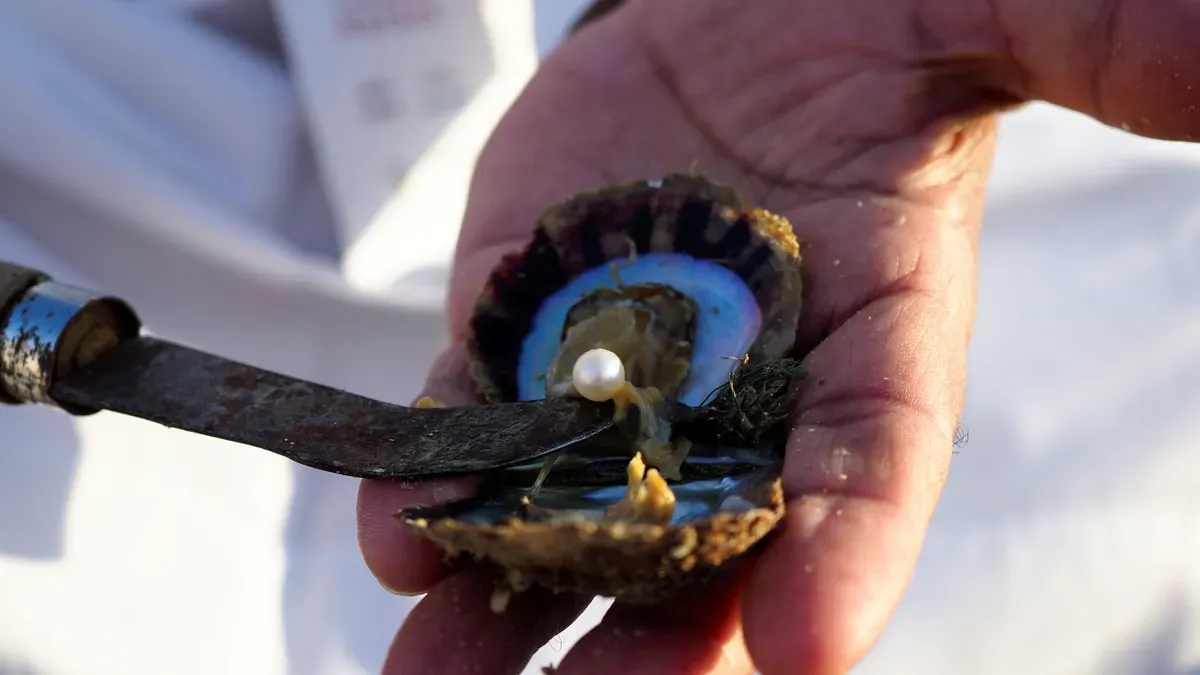
You want to buy good pearls for your business. Use a checklist to check each pearl before you buy. The table below shows what you should look for:
Checklist Item | Description |
|---|---|
Luster | Bright surface that glows and shines |
Surface | Few marks and a smooth feel |
Shape | Round or nice baroque shapes |
Size | Fits your style and jewelry |
Color | Looks nice and matches well |
Nacre | Thick layers make pearls strong |
Setting | Made with good metal |
Backing | Safe and easy to wear |
Origin | Shows where the pearl came from |
Certification | Written proof of quality |
Return Policy | Fair rules for buyers |
Price | Good price for the quality |
Check every item on this list. This helps you pick pearls that look nice and last long. You can use this checklist to compare different sellers.
Ask the right questions when you talk to suppliers. This helps you get real pearls and good deals. Here are some important questions to ask:
Where are the pearls from?
How thick is the nacre?
What is the luster grade?
Did the pearls get any treatments?
Can you show lab reports or certificates?
What is the smallest order you can buy?
How long does delivery take?
These questions help you learn about each pearl’s quality and history. You can use the answers to compare sellers and offers.
Tip: Always ask for written proof of quality and where pearls come from. This keeps your business safe and helps customers trust you.
Many wholesalers make mistakes when buying pearls. You can avoid problems by following these steps:
Compare sellers to find reliable sources.
Buy in bulk to save money, but match orders to demand.
Learn about prices and costs to get better deals.
Watch the pearl market and buy when prices are low.
These steps help you avoid expensive mistakes. You will build better relationships with sellers and grow your business.
Note: Careful checks and smart questions help you get the best pearls. You can give your customers beautiful freshwater pearls and natural pearls with confidence.
You can see that knowing about freshwater pearl prices helps you make good choices when buying a lot. New things like Edison Pearl Technology and multi-nucleation make pearls look shinier and cost less. The table below shows how prices changed over the years:
Year | Price of 10-11mm Freshwater Pearl Necklace | Price of 3-5mm Freshwater Pearl Necklace |
|---|---|---|
2016 | $1000 | N/A |
2026 | $179 | $50-$100 |
To get the best prices, know who you want to sell to, try samples first, and make good relationships with your suppliers. Use what you know to talk about prices and get good pearls for your business.
Freshwater pearls are easier to make. Mussels can make many pearls at once. Saltwater oysters only make one pearl each time. This makes freshwater pearls cost less.
Look at luster, surface, shape, size, color, and nacre thickness. Ask your supplier for grading details and certificates. Use a checklist to compare each pearl.
You can get discounts if you buy a lot at once. Ask your supplier for a price list. Check how quality changes when you order more.
Pearls sized 7-8mm and 10-11mm are very popular. These sizes work for many jewelry styles. Buyers like them for their beauty and value.
Nacre thickness is how many layers cover the pearl. Thick nacre makes pearls shiny and strong. You want thick nacre for pearls that last longer.
New technology and eco-friendly ways change what people want. Fashion trends and world events can make prices go up or down fast.


