


Views: 0 Author: Site Editor Publish Time: 2026-07-01 Origin: Site


Have you ever wondered how freshwater pearls are formed? These exquisite gems are not only beautiful but also hold significant value in jewelry. In this article, we’ll explore the fascinating process of freshwater pearl formation, their importance in the jewelry industry, and what makes them unique.
Table of Contents
Freshwater pearls are unique treasures born from a fascinating natural process involving freshwater mussels. Unlike their saltwater counterparts, freshwater pearls are formed in rivers, lakes, and ponds, primarily in China. Understanding how these pearls are created provides insight into their beauty and value.
The journey of a freshwater pearl begins when an irritant, such as a grain of sand or a tiny parasite, finds its way inside a mussel’s shell. This irritant lodges in the soft mantle tissue of the mussel. Unable to remove the irritant, the mussel's natural defense mechanism kicks in. It secretes nacre, a lustrous substance made of microscopic aragonite platelets and proteins, to encase the irritant. This layering process is slow and meticulous, with each layer of nacre being only about 0.5 microns thick—roughly 1/200th the thickness of a human hair.
Over time, the mussel continues to deposit layer after layer of nacre around the irritant. This gradual buildup can take anywhere from two to six years, depending on various factors including the species of mussel and environmental conditions. The longer the pearl remains in the mussel, the thicker the nacre becomes, enhancing its luster and overall quality.

Freshwater mussels, particularly species like Hyriopsis cumingii, are vital to the pearl formation process. Unlike saltwater oysters, which typically produce only one pearl at a time, a single freshwater mussel can produce between 20 to 50 pearls simultaneously. This remarkable capability significantly boosts pearl production and availability.
The mussel's habitat plays a crucial role in the qualit of the pearls produced. Clean, nutrient-rich waters are essential for optimal nacre deposition. The health of the mussel directly impacts the quality of the pearls, making sustainable farming practices important for both pearl quality and the ecosystem.
The timeframe for freshwater pearl development is crucial to their quality. As mentioned, it typically takes two to six years for a pearl to fully form. During this period, farmers monitor the mussels closely, ensuring they have the right conditions to thrive. Harvesting occurs once the pearls are mature, and the quality of the pearls can vary based on how long they have been allowed to develop.
In summary, the formation of freshwater pearls is a complex interplay of biology and environmental factors. Each pearl represents years of natural processes, making them not just beautiful jewelry pieces but also remarkable products of nature.
Note: Understanding the pearl formation process can help buyers appreciate the value and durability of freshwater pearls compared to other types.
Grafting is a key technique in the production of freshwater pearls. Understanding this process is essential for anyone interested in the pearl industry, as it significantly influences the quality and yield of pearls.
Grafting involves a skilled technician implanting a small piece of mantle tissue from a donor mussel into the recipient mussel. This tissue acts as a nucleus around which nacre will build. Unlike saltwater pearls, which often use a bead as a nucleus, freshwater pearls rely solely on this tissue piece. This method allows for a higher number of pearls to be produced from a single mussel, typically ranging from 20 to 50 pearls at a time.
The grafting process begins by selecting a healthy donor mussel. The technician cuts a strip of tissue from the donor's mantle and divides it into small squares, each about three millimeters in size. These squares are then carefully inserted into the recipient mussel's mantle through small incisions. This technique requires precision, as a well-executed graft increases the chances of producing rounder, more desirable pearls.
Natural freshwater pearls form without human intervention, making them extremely rare and valuable. In contrast, cultured freshwater pearls are produced through the grafting process. While both types undergo the same nacre deposition process, the key difference lies in how the irritant is introduced. Natural pearls arise from accidental irritants, while cultured pearls are the result of intentional grafts.
Cultured pearls are more accessible and affordable, as they are produced in controlled environments. The majority of pearls available in the market today are cultured, with natural pearls being a scarce find. This distinction is important for consumers who want to understand the value of the pearls they purchase.
The quality of pearls is directly influenced by the grafting process. Factors such as the health of the mussel, the skill of the technician, and the conditions in which the mussels are kept all play a role in determining the final product. Pearls formed from well-executed grafts tend to have thicker nacre layers, resulting in a more lustrous appearance.
Additionally, grafting allows pearl farmers to produce a wider variety of shapes and colors. The tissue pieces can lead to unique and beautiful pearls, making them highly sought after in the jewelry market. However, it is crucial for farmers to monitor the mussels throughout the growth period to ensure optimal conditions for pearl development.
In summary, grafting is a vital process in the cultivation of freshwater pearls. It differentiates cultured pearls from their natural counterparts and significantly impacts the quality and variety of pearls available in the market.
Note: Understanding the grafting process can help buyers appreciate the craftsmanship involved in producing freshwater pearls, enhancing their value beyond mere aesthetics.
Harvesting freshwater pearls is an intricate process that requires careful attention to detail. From the moment pearls are ready to be collected, every step is crucial to ensuring the quality and integrity of these precious gems. Here’s a closer look at the methods used in harvesting freshwater pearls, how they are sorted and graded, and the challenges faced in this delicate industry.
Once the pearls have matured inside the mussels, it's time for the harvest. Farmers gently open the mussels to reveal the pearls nestled within. This process requires precision to avoid damaging both the pearls and the mussels. The mussels are often opened using specialized tools designed to minimize stress on the creatures.
After the mussels are opened, the pearls are carefully extracted. It's important that farmers handle the pearls delicately to prevent scratches or other damage. If the mussel is still healthy after the pearls are collected, it may be returned to the water to produce more pearls in the future. This sustainable practice helps maintain the mussel population and ensures a continuous supply of pearls.
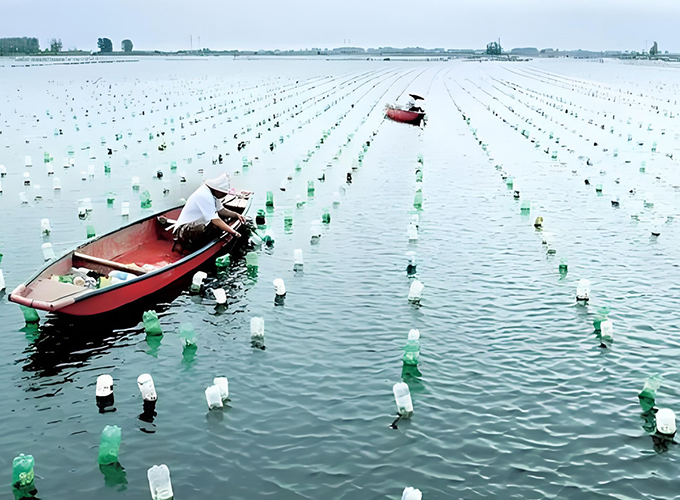
Once harvested, the pearls are not immediately ready for the market. They must undergo sorting and grading, which is a critical step in the process. Pearls are sorted based on several criteria: size, shape, color, luster, and surface quality.
Size: Pearls are measured in millimeters, and larger pearls often fetch higher prices.
Shape: Round pearls are the most valued, but baroque and other shapes are also sought after for unique jewelry pieces.
Color: Freshwater pearls come in a variety of colors, including white, pink, lavender, and peach. The color can significantly impact their value.
Luster: The shine and reflective quality of the pearl are essential indicators of its quality.
Surface Quality: Pearls with fewer blemishes and imperfections are graded higher.
Expert graders use their keen eyes to evaluate these factors, often working with thousands of pearls at a time. This meticulous process ensures that only the best pearls make it to the jewelry market.
While the harvesting process may seem straightforward, it comes with its own set of challenges. One of the primary concerns is maintaining the health of the mussels. Overharvesting or poor environmental conditions can lead to a decline in mussel populations, affecting pearl production.
Additionally, the pearl industry faces competition from imitation pearls and other synthetic alternatives. As consumers become more informed, they seek assurance of quality and authenticity. This demand for genuine pearls puts pressure on farmers to uphold high standards in their practices.
Environmental factors also play a significant role. Pollution, changes in water quality, and climate change can impact mussel health and pearl quality. Sustainable farming practices are essential to mitigate these risks and ensure the long-term viability of the freshwater pearl industry.
In summary, the harvesting of freshwater pearls is a nuanced process that combines skill, care, and sustainability. Each pearl reflects years of natural development and human expertise, making them not just beautiful accessories but also a testament to the delicate balance of nature and industry.
Note: Understanding the harvesting and grading processes can enhance your appreciation for the craftsmanship involved in freshwater pearls, adding value to your purchase.
Once harvested, freshwater pearls undergo a meticulous processing journey before they become exquisite pieces of jewelry. This process ensures that each pearl is cleaned, finished, drilled, and matched to perfection. Here’s a detailed look at the steps involved in preparing freshwater pearls for the jewelry market.
After pearls are harvested from the mussels, they often come out covered in organic residue. The first step in processing is cleaning. Pearls are soaked in a mild solution, which removes any slime or debris and enhances their natural luster. This step is crucial as it prepares the pearls for further processing and ensures their shine is showcased.
Once cleaned, pearls may undergo a finishing process. This can involve polishing to enhance their surface quality and overall appearance. The goal is to create a smooth, lustrous surface that will catch the eye of potential buyers.
After cleaning, the next step is drilling. Precision is key here. Jewelers use specialized tools to create holes in the pearls for stringing. Pearls destined for necklaces are typically drilled all the way through, while those for earrings may only require half-drilling. This step must be done carefully; a slip could turn a valuable pearl into a mere bead.
Matching pearls is another critical aspect of the processing stage. Because no two pearls are identical, jewelers spend considerable time pairing pearls with similar characteristics for cohesive designs. This can involve grouping by size, shape, color, and luster. The art of matching is particularly important for necklaces, where a harmonious look is essential.
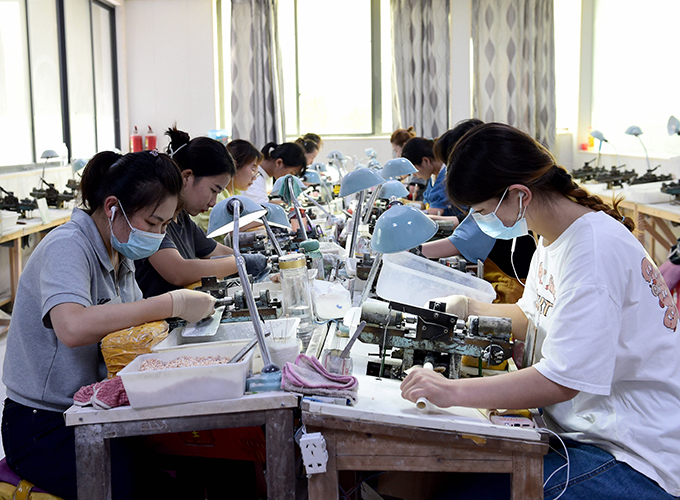
Once matched, the pearls are ready to be set into jewelry. For necklaces, they are strung on silk thread, with knots placed between each pearl. These knots serve a dual purpose: they protect the pearls by preventing them from rubbing against each other and ensure that if the strand breaks, only one pearl will be lost.
For earrings, rings, and pendants, pearls are set into metal findings. The choice of metal can significantly affect the overall look of the jewelry piece, adding to its elegance and appeal.
In summary, the processing of freshwater pearls is a detailed and careful endeavor that transforms raw pearls into beautiful jewelry. Each step, from cleaning to setting, plays a vital role in ensuring the final product meets the high standards expected by consumers.
Note: Understanding the processing steps enhances appreciation for the craftsmanship involved in freshwater pearls, adding value to your purchase.
When it comes to pearls, freshwater and saltwater varieties each have unique characteristics shaped by their formation processes. Understanding these differences helps consumers make informed choices when purchasing pearls for jewelry.
Freshwater pearls are formed in freshwater mussels, primarily in lakes and rivers. In contrast, saltwater pearls develop in oysters found in oceans. The key distinction lies in the nucleation process. Freshwater pearls use small pieces of mantle tissue as nuclei, while saltwater pearls typically use a bead nucleus. This fundamental difference affects the pearls' composition and durability.
Freshwater Pearls: Formed around tissue pieces, leading to solid nacre throughout. Each pearl is essentially 100% nacre.
Saltwater Pearls: Formed around a bead core, resulting in a thin layer of nacre coating. This can make them more susceptible to chipping or peeling.
Quality and durability can vary significantly between the two types of pearls. Freshwater pearls generally have a more varied shape and size, ranging from round to baroque. This diversity often results in unique and interesting jewelry designs. In terms of durability, freshwater pearls are typically more resilient due to their solid nacre structure. Saltwater pearls, while often exhibiting a higher luster, may not withstand everyday wear as well as their freshwater counterparts.
Freshwater Pearls: Known for their affordability and a wide range of shapes and colors. Their solid nacre makes them durable for daily wear.
Saltwater Pearls: Often more expensive due to their high luster and round shape. However, they can be less durable because of their bead core.
Market availability is another significant difference. Freshwater pearls are produced in larger quantities, mainly in China, making them more accessible and affordable. In contrast, saltwater pearls, such as Akoya, Tahitian, and South Sea pearls, are rarer and often come with a higher price tag. The limited supply of saltwater pearls contributes to their status as luxury items in the jewelry market.
Freshwater Pearls: Abundant and cost-effective, allowing for a wider consumer base.
Saltwater Pearls: Scarcer and pricier, often sought after for high-end jewelry pieces.
In summary, while both freshwater and saltwater pearls are beautiful and valuable, they differ in formation processes, quality, durability, and market availability. Understanding these differences can guide consumers in selecting the right pearls for their jewelry collections.
Note: When choosing between freshwater and saltwater pearls, consider your budget, style preferences, and intended use to make the best decision.
Sustainability in freshwater pearl farming is crucial for the environment and the industry. As the demand for pearls continues to rise, it’s essential to ensure that pearl cultivation practices do not harm freshwater ecosystems. Let’s explore the environmental impact of pearl farming, sustainable practices, and the importance of protecting freshwater habitats.
Freshwater pearl farming can have both positive and negative impacts on the environment. On one hand, responsible farming practices can enhance local ecosystems. For instance, pearl farms often promote biodiversity by creating habitats for various aquatic species. On the other hand, poor farming practices can lead to water pollution, habitat destruction, and depletion of local fish populations.
Overcrowding in farms can cause stress on mussels and lead to disease outbreaks. Additionally, the use of chemicals for cleaning and processing pearls can contaminate surrounding waters if not managed properly. Therefore, it’s important for pearl farmers to adopt sustainable practices to mitigate these risks.
Sustainable pearl farming involves several key practices aimed at protecting the environment while ensuring a steady supply of high-quality pearls. Here are some effective strategies:
Regenerative Aquaculture: This approach focuses on restoring and enhancing natural ecosystems. Farmers implement practices that support water quality and promote biodiversity, such as creating natural habitats for fish and other aquatic organisms.
Water Quality Monitoring: Regular testing of water quality helps farmers maintain optimal conditions for mussel health. Clean, nutrient-rich water is crucial for producing high-quality pearls.
Responsible Harvesting: Sustainable harvesting techniques ensure that mussels are not over-exploited. Farmers often return healthy mussels to the water after pearl extraction, allowing them to produce more pearls in the future.
Minimal Chemical Use: Reducing or eliminating the use of harmful chemicals in cleaning and processing pearls protects local ecosystems. Organic cleaning methods are increasingly being adopted to maintain sustainability.
Freshwater ecosystems are vital for the health of our planet. They provide habitat for countless species, support local communities, and contribute to the overall biodiversity of our environment. Protecting these ecosystems is essential for the long-term sustainability of pearl farming.
By implementing eco-friendly practices, pearl farmers can play a significant role in preserving freshwater habitats. Collaborating with environmental organizations, local communities, and government agencies can enhance conservation efforts. Education and awareness campaigns can also help promote sustainable practices among consumers and industry stakeholders.
In conclusion, the sustainability of freshwater pearl farming is a shared responsibility. By prioritizing eco-friendly practices and protecting freshwater ecosystems, we can ensure the continued beauty and availability of freshwater pearls for generations to come.
Note: Sustainable pearl farming practices not only protect the environment but also enhance the quality and value of the pearls produced, making them a more desirable choice for consumers.
Freshwater pearls are formed through a natural process involving mussels secreting nacre around irritants. This intricate formation takes two to six years, influenced by the mussel's health and environment. The significance of freshwater pearls lies in their unique beauty and sustainable farming practices. They offer a diverse range of shapes and colors, making them appealing for jewelry. Explore the exquisite freshwater pearls offered by Xueluo. Their products provide exceptional value, combining quality craftsmanship with eco-friendly practices.
A: Freshwater pearls are unique gems formed inside freshwater mussels, primarily in rivers and lakes, through a natural process involving the secretion of nacre around an irritant.
A: Freshwater pearls are formed when an irritant enters a mussel, prompting it to secrete layers of nacre around the irritant over a period of two to six years.
A: Freshwater pearls are generally more affordable due to their higher production rates and the fact that they can be harvested in larger quantities compared to saltwater pearls.
A: Freshwater pearls offer a wide variety of shapes, colors, and affordability, making them versatile and accessible options for jewelry enthusiasts.
A: To care for freshwater pearls, avoid exposure to harsh chemicals, clean them gently with a soft cloth, and store them separately to prevent scratches.


