


Views: 0 Author: Site Editor Publish Time: 2026-07-31 Origin: Site


The jewelry market presents a massive value disparity for consumers exploring pearl options. Freshwater Pearls range from highly accessible entry-level accessories to premium, investment-grade ornaments. Without a standardized, universally enforced grading system, buyers face a significant dilemma. You risk overvaluing commercially treated, low-grade specimens or misunderstanding the true market position of premium, near-round gems. To navigate this landscape, you need a structured evaluation framework. This guide breaks down market valuations by jewelry type, analyzes the specific physical attributes that dictate worth, and provides risk-mitigation strategies for acquiring authentic cultured pearls. We will examine the exact metrics appraisers use on the sorting table to determine quality and market position.
Baseline Price Range: Standard freshwater pearl strands typically cost between $50 and $300, while premium, gem-quality strands can exceed $1,700 to $2,000. Single pendants and earrings often fall under $100.
Primary Value Drivers: Luster (light reflection) and Shape (perfectly round vs. baroque) are the most significant determinants of a freshwater pearl's final retail price.
Market Reality: Over 99% of freshwater pearls on the market are cultured (human-assisted). "Natural" (wild-found) freshwater pearls are exceedingly rare, starting at $500 for minor specimens and scaling exponentially.
Dominant Market Segment: Classic white freshwater pearls make up approximately 70% of the global market, though natural pastels (peach, lavender) hold significant niche value.
Risk Mitigation: Buyers must actively verify surface quality, understand the structural difference of bead-nucleated (Edison) varieties, and check for artificial color treatments or dyes, which significantly lower long-term intrinsic value.
Table of Contents
Buyers need realistic budget expectations before evaluating specific pieces. Establishing a baseline prevents you from falling victim to inflated retail markups. Understanding how different jewelry formats impact overall market value is the first step in making an informed purchase. The format of the jewelry heavily influences its market position. Strands require dozens of matching gems, which elevates their baseline value significantly. Commercial-quality strands occupy the entry-level tier, while gem-quality, perfectly matched strands demand premium valuations.
Earrings and studs sit in the mid-tier. Creating a matched pair requires sorting through thousands of pearls to find identical sizing, shape, and color overtones. Pendants and single-pearl settings offer the most accessible entry point. Because they feature a standalone gem, jewelers do not factor in the labor and rarity of matching multiple pieces. When you evaluate a single piece, you are paying strictly for the individual gem's characteristics.
Jewelry Type | Matching Requirement | Market Position | Best Use Case |
|---|---|---|---|
Single Pendant | None | Entry-Level | Everyday wear, showcasing a single large or unique baroque gem. |
High (Pairs) | Mid-Tier | Professional attire, requiring exact size and overtone matching. | |
Full Strand | Extreme (50+ gems) | Premium | Formal events, requiring massive sorting labor for uniformity. |
The origin of the gem dictates its rarity and subsequent market position. True natural freshwater pearls, discovered in the wild without human intervention, are exceptionally rare. These unmounted specimens command exponential valuations due to their scarcity. Finding a wild pearl with jewelry-grade luster and shape is a statistical anomaly. Conversely, cultured variants dominate the modern market. Human-assisted farming allows for consistent harvests, making finished cultured jewelry highly accessible while still offering premium tiers for top-quality yields.
The vast valuation gap between an entry-level strand and a premium strand comes down to harvest mathematics. Assembling a continuous strand of fifty or more gems requires identical size, shape, and luster. Finding one perfectly round, high-luster pearl is challenging. Finding fifty that match perfectly requires sorting through massive harvest volumes. This exponential difficulty in matching and stringing directly drives the premium market value of high-end strands.
Harvesting: Workers extract raw gems from the mollusks, yielding thousands of mixed-grade pieces.
Washing and Tumbling: The raw harvest undergoes gentle cleaning to remove organic residue.
Initial Sorting: Sorters separate the harvest by basic size and shape categories.
Luster Grading: Experts isolate the top 1% of high-luster, perfectly round gems.
Strand Matching: Technicians spend hours matching 50+ identical gems to create a single premium strand.
Gemologists and appraisers rely on a specific set of criteria to grade and value these gems. Understanding this industry-standard evaluation framework allows you to assess quality objectively. When you inspect a piece, you must look past the overall design and evaluate the raw material using these six dimensions.
Luster refers to the sharpness and intensity of light reflection on the surface. Orient describes the iridescent play of color just below the surface. These two factors serve as the primary drivers of premium valuations. A high-luster specimen will always command top-tier market positioning, even if its shape is slightly irregular. Dull or chalky surfaces immediately categorize the gem as commercial or low-grade. When inspecting luster, look at the reflection of a light source on the pearl's surface. A premium gem will reflect the light source with crisp, sharp edges.
Shape dictates rarity in freshwater cultivation. Perfectly round specimens are the most difficult to cultivate, making them the rarest and most highly valued. Near-round gems offer a slight drop in valuation while maintaining a classic aesthetic. Drop and oval shapes occupy the mid-tier, often utilized in pendant designs. Baroque and irregular shapes represent the most accessible tier, though they hold strong appeal for unique, contemporary jewelry designs. The lack of a rigid bead nucleus in traditional freshwater farming makes perfect rounds exceptionally scarce.
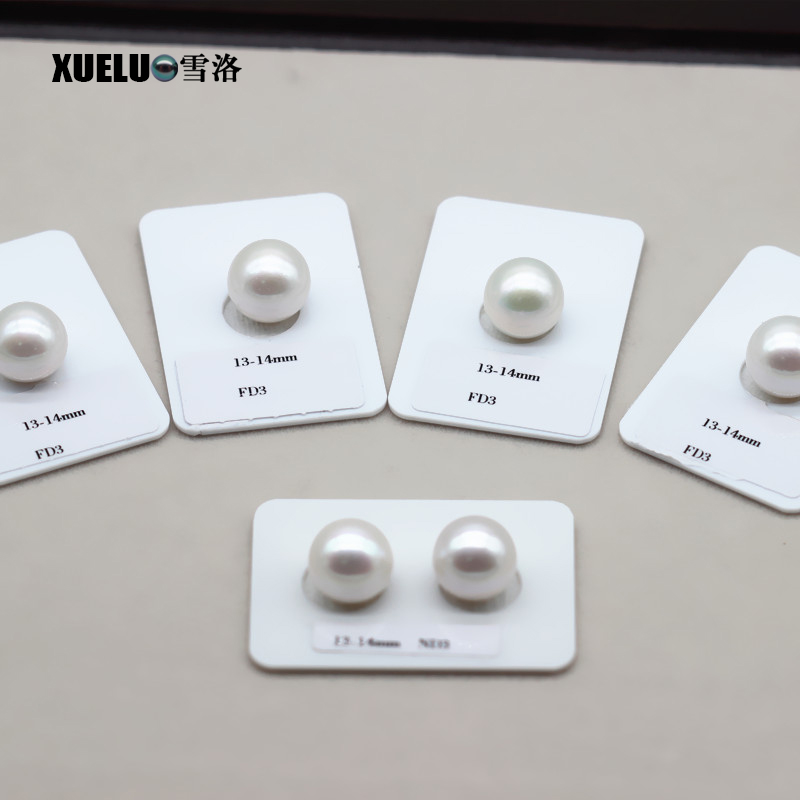
Physical dimensions directly correlate with cultivation time and market value. Standard sizes range from 6mm to 9mm. Once a specimen exceeds the 9mm threshold, its market value jumps exponentially due to the extended time required in the host shell. Delicate sizes between 4mm and 6mm serve well in minimalist fashion jewelry. Modern bead-nucleated variants, known as Edison pearls, regularly reach 12mm to 15mm or larger. These massive sizes command premium valuations previously reserved only for saltwater varieties.
A flawless surface is virtually impossible in organic gems. Appraisers look for the degree and visibility of natural blemishes. Minor spotting or light surface wrinkling near the drill hole remains acceptable and minimally impacts value. However, value-destroying defects include deep cracks, chalky spots, and severe pitting. These structural flaws compromise both the aesthetic appeal and the long-term durability of the gem. Always inspect the area immediately surrounding the drill hole, as this is where nacre stress is most visible.
Classic white dominates global production, comprising roughly 70% of the market. Natural pastel colors, including peach, pink, and lavender, occur organically during cultivation. These natural hues hold significant niche value and appeal to collectors. Conversely, artificially dyed colors like harsh black, bright blue, or vivid red carry discounted valuations. Dye treatments mask poor natural coloration and lower the intrinsic worth of the piece. You can often spot dyed pearls by looking for color concentrations inside the drill hole.
Traditional tissue-nucleated cultivation results in a gem composed of solid nacre. This solid structure offers exceptional long-term durability. Modern bead-nucleated variants introduce a round bead into the host shell, prompting the mollusk to deposit nacre over the core. While this method produces larger, rounder gems rapidly, the thickness of the nacre layer determines the final quality and lifespan of the piece. Thin nacre on a bead-nucleated pearl will eventually wear away, revealing the dull bead underneath.

Evaluating different origins helps you determine which variety meets your specific success criteria. Understanding the structural and aesthetic trade-offs ensures you make the right investment for your wardrobe. You must weigh durability against perfect symmetry and size against market positioning.
The primary trade-off between these two varieties involves durability versus aesthetic perfection. Freshwater cultivation typically yields solid nacre, making the gems highly resistant to wear and chipping. Akoya pearls, cultivated in saltwater, are bead-nucleated and famous for their mirror-like luster and perfectly round shapes. However, Akoyas carry a higher market position and possess a thinner nacre layer that requires careful maintenance. If you wear your jewelry daily, the solid nacre of freshwater varieties offers superior longevity.
South Sea and Tahitian pearls represent the pinnacle of the saltwater market. They offer massive sizes and natural dark or golden tones. These premium saltwater gems start at exceptionally high market valuations. Freshwater alternatives provide highly accessible sizing and pastel colors. If you require large, naturally black or gold gems, saltwater is necessary. If you seek classic white or pastel tones at accessible tiers, freshwater is the optimal choice.
Bead-nucleated freshwater gems, commonly referred to as Edisons, disrupt the traditional market hierarchy. They compete directly with South Sea and Tahitian varieties in both size and metallic luster. By utilizing advanced cultivation techniques, farmers produce these massive, near-perfect round gems at a fraction of the market position required for premium saltwater equivalents. Edisons represent a major shift in aquaculture, allowing buyers to acquire 13mm+ round pearls without the saltwater premium.
Pearl Variety | Origin | Typical Size | Nacre Structure | Primary Strength |
|---|---|---|---|---|
Traditional Freshwater | Lakes/Rivers | 6mm - 10mm | Solid Nacre | Extreme durability and accessible market position. |
Edison Freshwater | Lakes/Rivers | 11mm - 16mm+ | Bead Nucleated | Massive size and metallic luster. |
Akoya | Saltwater | 6mm - 9mm | Bead Nucleated | Mirror-like luster and perfect roundness. |
Tahitian | Saltwater | 8mm - 14mm | Bead Nucleated | Natural dark colors and exotic overtones. |
The jewelry market contains numerous pitfalls for uneducated buyers. Equipping yourself with knowledge about industry practices helps you avoid low-value purchases and synthetic imitations. You must actively verify the authenticity and condition of the gems before finalizing any transaction.
The term "cultured" simply means the gem is real but human-assisted. Farm technicians insert a piece of mantle tissue into the host mollusk to trigger nacre production. This tissue-nucleation process results in a solid nacre structure. Cultured does not mean fake; it represents the standard method for producing over 99% of the real gems available today. Wild pearls are museum pieces; cultured pearls are what you buy and wear.

Industry practices often include bleaching, tumbling, and polishing to improve commercial-grade harvests. While standard processing is acceptable, heavy treatments degrade long-term value. Artificial dyeing masks poor natural luster and surface flaws. Heavy chemical processing weakens the nacre structure, reducing the durability and intrinsic worth of the jewelry. Always ask the vendor if the pearls have been dyed or irradiated.
Distinguishing real organic gems from glass, plastic, or coated composites requires basic physical tests. Fakes feel entirely smooth and lack the microscopic crystalline structure of real nacre. Examine the drill holes closely. Coated composites often show peeling or flaking around the drill site. Real gems also feel naturally cool to the touch and carry a distinct weight compared to hollow plastic imitations.
The Tooth Test: Gently rub the gem against the biting edge of your front tooth. Real nacre feels gritty and sand-like. Fakes feel perfectly smooth like glass.
The Temperature Test: Real pearls feel cool to the touch when first picked up, slowly warming to your skin temperature. Plastic fakes feel room temperature immediately.
The Drill Hole Inspection: Use a jeweler's loupe to examine the drill hole. Real pearls have clean, sharp edges. Fakes show ragged edges where the artificial coating has peeled away.
The Friction Test: Rub two pearls together lightly. Real pearls will generate a tiny amount of white powder (nacre dust) and feel slightly resistant. Fakes will glide past each other smoothly.
Executing a successful purchase requires objective data and a clear strategy. Guide your buying decisions by establishing strict criteria before entering the retail environment. Do not let lighting tricks in a showroom dictate your assessment of a gem's quality.
Create a decision matrix tailored to your specific needs. If you are purchasing for formal wear, prioritize perfect roundness and high luster. If you are buying for casual, everyday wear, prioritize size and unique natural colors found in baroque shapes. Aligning your aesthetic requirements with your budget prevents overspending on unnecessary premium attributes. Decide which of the six evaluation dimensions matters most to you and compromise on the others.
Traditional brick-and-mortar jewelry stores carry significant overhead costs. This overhead translates into heavy retail markups. Specialized online vendors operate direct-to-consumer models. By bypassing traditional supply chains, these specialized dealers offer much higher intrinsic value and better access to premium grades at accessible tiers. When buying online, ensure the vendor provides high-resolution, unedited photos of the actual piece.
Determine when documentation is necessary. For accessible fashion pieces, a formal grading report is an unnecessary expense. However, when investing in premium, gem-quality strands, demand a certificate of authenticity or a formal grading report from a recognized gemological laboratory. This documentation verifies the lack of artificial treatments and confirms the origin of the gems. It also provides necessary documentation for insurance purposes.
Freshwater cultivation offers the highest value-to-cost ratio in the jewelry market. You can maximize your investment by prioritizing intense luster and clean surface quality over perfect roundness. Establish your parameters early and clearly define your aesthetic requirements before evaluating inventory.
Rooted in Zhuji, China’s leading freshwater pearl production center, Xueluo combines source-direct cultivation and independent processing with AI-assisted sorting for size, luster, and roundness. Its integrated supply, stable delivery, and flexible customization help wholesalers, retailers, and designers source consistent pearl materials and finished jewelry with greater confidence.
Define your primary use case to determine if you need perfectly round gems or if baroque shapes will suffice.
Select a specialized direct-to-consumer vendor with a transparent return policy to avoid heavy retail markups.
Request macro-photography of the exact strand or piece to verify surface integrity and drill hole quality.
Perform the tooth test and temperature check immediately upon receiving the item to confirm authenticity.
A: Yes. They are real, organic gems produced by mollusks in lakes and rivers. Over 99% of them are cultured, meaning humans initiate the nacre-producing process, but the mollusk creates the actual gem naturally over several years.
A: Most standard commercial pieces do not appreciate or hold significant resale value. However, highly rare, gem-quality strands with perfect roundness and metallic luster retain their intrinsic worth much better on the secondary market.
A: Freshwater mollusks can produce up to 40 gems per shell simultaneously, whereas saltwater oysters typically produce only one or two. This massive difference in harvest volume makes freshwater varieties much more abundant and accessible.
A: High quality is determined primarily by luster. A premium gem will reflect light sharply, almost like a mirror. Additionally, it will have a clean surface free of deep pits, cracks, or chalky white spots.
A: Because traditional tissue-nucleated varieties are composed of solid nacre, they are incredibly durable. With proper care—keeping them away from harsh chemicals and storing them flat—they can easily last for generations.
A: While natural pastels like deep lavender and metallic peach are highly sought after, perfectly matched, brilliant white gems with rose overtones remain the standard for premium, high-value strands in the global market.
A: Edisons are modern, bead-nucleated freshwater gems. They are more expensive because they achieve massive sizes (12mm to 15mm+) and perfectly round shapes that rival premium saltwater varieties, requiring specialized farming techniques.


