


Views: 0 Author: Site Editor Publish Time: 2026-07-01 Origin: Site


Have you ever wondered how those stunning freshwater pearls are created? These beautiful gems are not just a product of nature; they are the result of meticulous cultivation. In this article, we’ll explore the fascinating process of freshwater pearl cultivation, from nucleation to harvesting. You'll learn about the techniques and factors that influence their quality and beauty.

Table of Contents
Freshwater pearl nucleation is a vital step in the cultivation of freshwater pearls. It involves introducing a small piece of mantle tissue from a donor mussel into the host mussel. This process triggers the formation of a pearl sac, where nacre— the substance that forms the pearl— begins to accumulate. Unlike saltwater pearls, which often use a bead nucleus, freshwater pearls are primarily formed from nacre alone, making them unique.
The mantle tissue plays a crucial role in the pearl formation process. This living tissue not only helps create the pearl sac but also influences the pearl's final characteristics, such as color, luster, and shape. When a technician implants the donor tissue, it stimulates the host mussel to start secreting nacre around the graft. The quality of the mantle tissue is essential; it can significantly affect the resulting pearl's beauty and durability.
The nucleation process consists of several meticulous steps:
Opening the Mussel: The technician carefully opens the freshwater mussel using a specialized tool, ensuring minimal stress to the animal. A gentle approach is crucial, as too much force can harm the mussel and reduce its chances of survival.
Preparing Donor Mantle Tissue: The technician then cuts the mantle tissue from a healthy donor mussel. This tissue is sliced into small strips and disinfected to prevent contamination. The choice of donor mussel is vital, as its health and characteristics will influence the quality of the pearls produced.
Implantation of Graft Tissue: After preparing the graft, it is implanted into the host mussel's mantle. This is done with precision, as the placement affects how well the pearl sac will form. The mussel is then returned to the water, where it will begin the process of nacre secretion.
Healing Period: Following implantation, the mussel requires a healing period. During this time, the technician monitors the mussel to ensure it accepts the graft. If successful, the mussel will start secreting nacre around the graft, leading to pearl formation over the next few years.
Each step in the nucleation process requires skill, patience, and attention to detail. The success of pearl farming largely depends on how well these steps are executed. A well-nucleated mussel can produce beautiful pearls, while a poorly executed nucleation can lead to misshapen or rejected pearls.
Tip: When selecting mantle tissue for nucleation, prioritize healthy donor mussels to enhance the quality of the resulting pearls.

The first step in grafting freshwater pearls involves carefully opening the mussel. This process requires a gentle touch, as mussels are sensitive creatures. A technician uses specialized tools to slightly separate the shells without causing stress or injury. This careful handling is crucial, as any forceful action can harm the mussel and reduce its chances of survival. Once opened, the mussel is held in a stable position, allowing the technician to work efficiently and with precision.
Next, the technician prepares the donor mantle tissue. This tissue is cut from a healthy mussel and then sliced into tiny strips. The choice of donor mussel is vital because its tissue can significantly influence the quality of the resulting pearls. After cutting, the mantle tissue undergoes disinfection to prevent contamination. This step ensures that the graft tissue remains viable and reduces the risk of infection once implanted into the host mussel.
After preparation, the small graft pieces are carefully implanted into the host mussel's mantle. This is where the skill of the technician truly shines. The placement of the graft is critical; it affects how well the pearl sac will form. Once the graft is inserted, the mussel is returned to the water, where it begins the process of nacre secretion around the graft tissue.
Following implantation, the mussel enters a healing period. During this time, technicians closely monitor the mussel to ensure it accepts the graft. If successful, the mussel will start to secrete nacre, leading to pearl formation over the next few years. Each step in this grafting process requires patience and expertise. A well-executed graft can yield beautiful pearls, while a poorly performed one may result in misshapen or rejected pearls.
Tip: Regularly monitor the health of both the host and donor mussels to enhance the success rate of grafting and improve the quality of the pearls produced.
Single-pearl mussels are specifically cultivated to produce one large pearl, often referred to as an Edison pearl. These mussels are typically bead-nucleated, which means a small bead is implanted alongside a piece of mantle tissue. This method allows the mussel to concentrate its energy on forming a single pearl, resulting in larger sizes, which can range from 8 mm to 15 mm. The focus on one pearl enhances the potential for achieving a rounder shape and a more impressive luster.
Edison pearls are highly sought after for their bold presence in jewelry, making them ideal for statement pieces like pendants and large earrings. However, producing these larger pearls involves more risk and requires careful selection of both the mussel and the graft tissue. The process is intricate, and the quality of the resulting pearl is heavily influenced by the health of the mussel and the characteristics of the donor mantle tissue.
In contrast, multi-pearl mussels are designed to produce several pearls at once. These mussels can yield anywhere from 12 to 30 pearls during a single cultivation cycle. The pearls produced are generally smaller, typically ranging from 4 mm to 8 mm in size. Multi-pearl mussels often yield a variety of shapes, including baroque, semi-round, and oval pearls.
This production method is vital for the freshwater pearl market, as it creates an abundance of smaller, more affordable pearls. Many popular jewelry designs, such as pearl strands and earrings, utilize these multi-pearl mussels. However, the trade-off is that the pearls may exhibit more shape variation and imperfections compared to single-pearl mussels. While this can be a drawback for strict grading standards, many jewelry designers appreciate the unique beauty of these diverse shapes.
When it comes to market value, single-pearl mussels tend to command higher prices due to the larger size and perceived rarity of Edison pearls. These pearls are often viewed as luxury items and are marketed towards consumers looking for standout pieces. The demand for single pearls is driven by their appeal in high-end jewelry, where size and quality are paramount.

On the other hand, multi-pearl mussels cater to a broader market by offering a range of affordable options. The lower price point of these pearls makes them accessible to a wider audience, appealing to consumers who desire the elegance of pearls without the luxury price tag. As a result, multi-pearl mussels play a crucial role in sustaining the freshwater pearl industry, balancing the demand for both high-end and everyday pearl jewelry.
In summary, both single-pearl and multi-pearl mussels have their unique characteristics and market roles. Single-pearl mussels produce larger, more valuable pearls, while multi-pearl mussels offer variety and affordability. Understanding these differences can help consumers appreciate the diversity within the world of freshwater pearls.
Tip: When sourcing pearls, consider the type of mussel used in cultivation; it can significantly affect the quality and value of the pearls in your collection.
Nacre, also known as mother-of-pearl, is the primary substance that forms the pearl. The thickness and quality of nacre play a crucial role in determining the pearl's overall beauty and durability. Freshwater pearls are unique because they are composed almost entirely of nacre, unlike many saltwater pearls that often have a bead nucleus at their core.
The thickness of the nacre affects the pearl's luster and depth of color. Generally, thicker nacre results in a more lustrous and durable pearl. For instance, pearls with at least 0.5 mm of nacre thickness are often considered high quality. Pearls with insufficient nacre may appear dull and lack the vibrant sheen that many buyers seek. Thus, farmers aim for optimal nacre growth during the cultivation period, which can take anywhere from two to five years.
Environmental conditions significantly influence the quality of freshwater pearls. Factors such as water temperature, quality, and cleanliness directly affect the health of the mussels and, consequently, the pearls they produce.
Clear, clean water is essential for the mussels to thrive. Polluted or turbid waters can lead to stress and disease in mussels, resulting in lower-quality pearls. Additionally, temperature plays a vital role in nacre secretion. Mussels tend to produce nacre more efficiently in stable, warm temperatures. Extreme weather conditions, such as heavy rains or droughts, can disrupt the growth process, potentially leading to misshapen or blemished pearls.
The donor tissue used during the grafting process is another critical factor influencing the final characteristics of the pearl. The mantle tissue from the donor mussel contains biological information that can affect the pearl's color and luster.

For example, if the donor tissue comes from a mussel known to produce vibrant pink or lavender pearls, there’s a higher chance that the resulting pearls will exhibit similar hues. The genetics of the donor mussel, along with the environmental conditions, play a significant role in determining the final appearance of the pearl.
Farmers often select donor mussels based on their health and the desirable traits they exhibit. By carefully choosing the donor tissue, farmers can influence the color palette of the pearls, leading to a diverse range of shades from soft pastels to deep, rich tones.
Tip: Regular monitoring of water quality and mussel health is vital for enhancing pearl quality; invest in proper environmental management practices to ensure optimal growth conditions.
Harvesting freshwater pearls is a critical phase in the pearl farming process. It requires careful planning and precise timing to ensure the best quality pearls are collected. Farmers typically wait between two to five years after nucleation before harvesting, depending on the desired pearl size and quality. The timing can also be influenced by environmental conditions and market demand.
Farmers often monitor the pearls closely during this maturation period. They look for signs of growth, luster, and overall health. When the pearls reach their optimal size, farmers will prepare for the harvest. This is usually done during calm weather conditions, as turbulent waters can stress the mussels and affect pearl quality.
The actual harvesting process involves gently opening each mussel and carefully extracting the pearls. This requires skilled hands to avoid damaging both the mussel and the pearls. Once harvested, the pearls are cleaned and sorted to prepare them for grading.
After harvesting, the pearls undergo a sorting and grading process. This is essential for determining their market value. Farmers categorize pearls based on several criteria:
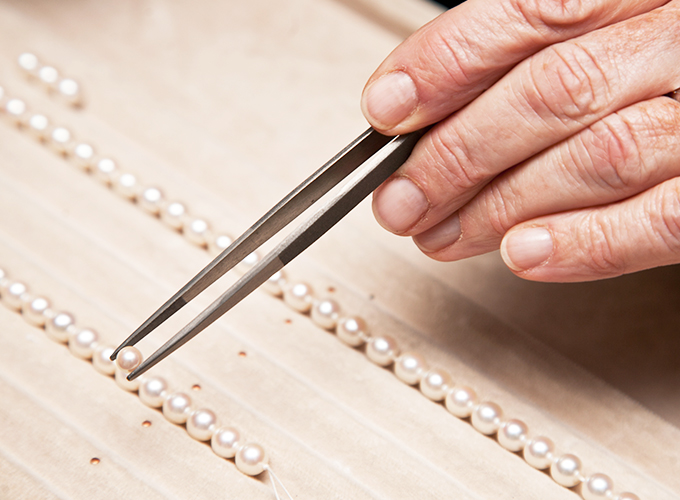
Size: Larger pearls are generally more valuable.
Shape: Round pearls are the most sought after, but baroque and other shapes can also be valuable depending on market trends.
Surface Quality: Pearls with fewer blemishes and smooth surfaces command higher prices.
Luster: Pearls with a deep, reflective luster are considered more desirable.
Color: Unique colors can increase a pearl’s value, with certain hues being more popular in the market.
Sorting can be a labor-intensive process. Farmers may spend weeks or even months ensuring each pearl is evaluated accurately. This attention to detail helps in maximizing profits and meeting consumer preferences.
The freshwater pearl market has evolved significantly over the years. Currently, there is a growing demand for unique and high-quality pearls. Consumers are increasingly looking for pearls that offer distinct colors, shapes, and sizes. Additionally, sustainable and ethical sourcing has become a priority for many buyers.
As a result, farmers are adapting their practices to meet these changing preferences. They are focusing on cultivating pearls with thicker nacre, vibrant colors, and exceptional luster. This shift not only enhances the quality of the pearls but also aligns with consumers' desires for responsible luxury.
Moreover, the rise of online marketplaces has changed how pearls are sold. Consumers now have access to a wider range of options, allowing them to choose pearls that fit their personal style. This trend encourages farmers to diversify their pearl offerings, leading to more innovative designs and products.
Tip: To maximize the value of harvested pearls, invest in thorough sorting and grading processes; this ensures high-quality pearls meet market demand effectively.
Sustainable practices in freshwater pearl farming are crucial for maintaining the health of aquatic ecosystems and ensuring the longevity of pearl production. Pearl farms must operate in clean, unpolluted waters, as the health of the mussels directly correlates with the quality of the pearls produced. Unsustainable practices, such as over-farming or using harmful chemicals, can lead to significant environmental degradation.
Farmers today are increasingly adopting eco-friendly techniques that minimize their impact on surrounding ecosystems. For instance, many farms implement waste management systems to prevent pollutants from entering local waterways. They also monitor water quality regularly, ensuring that mussels thrive in optimal conditions. By maintaining clean environments, pearl farmers not only protect their crops but also contribute to the overall health of the aquatic ecosystem.
Ethical treatment of oysters is another cornerstone of sustainable pearl farming. Farmers recognize that the health and well-being of their mussels are paramount for producing high-quality pearls. This means ensuring that the mussels are not only well-fed but also free from stress and disease.
To promote ethical practices, many farms limit the number of times a mussel is nucleated throughout its life. Typically, a mussel will produce only two to three pearls before being retired. This approach prevents over-stressing the mussels and allows them to recover fully between harvests. Some farms even return retired mussels to the wild, promoting biodiversity and supporting local ecosystems.
Furthermore, farmers often engage in humane practices during the harvesting process. They ensure that the mussels are handled gently to minimize stress and injury. This ethical approach not only enhances the quality of the pearls but also aligns with consumers' growing demand for sustainably sourced products.
Sustainable pearl farming also brings significant benefits to local communities. Pearl farms often provide employment opportunities, helping to support families and stimulate local economies. Many farms are family-owned and have been passed down through generations, fostering a deep connection to the land and water.
Moreover, these farms play a vital role in preserving traditional practices and knowledge. They often engage in community outreach, educating others about sustainable aquaculture and environmental stewardship. By promoting responsible farming techniques, pearl farms can help raise awareness about the importance of protecting aquatic ecosystems.
In many regions, pearl farming has become a source of pride and cultural identity. Local artisans often use the pearls produced to create unique jewelry, showcasing their heritage and craftsmanship. This not only helps sustain the local economy but also promotes the cultural significance of pearls in various communities.
Tip: Consider sourcing pearls from farms that prioritize sustainability and ethical practices; this supports not only the environment but also local communities and economies.
The cultivation of freshwater pearls involves a meticulous process, starting with the nucleation of mussels. Techniques such as careful grafting and monitoring ensure the quality of pearls. Environmental factors and the health of donor mussels play significant roles in the final product. Freshwater pearls are not only beautiful but also hold great market value. Supporting sustainable pearl farming is vital for preserving ecosystems. Choosing pearls from responsible sources, like Xueluo, enhances both beauty and ethical practices in jewelry.
A: Freshwater Pearls are pearls formed inside freshwater mussels, primarily composed of nacre without a bead nucleus, unlike saltwater pearls.
A: Freshwater Pearls are cultivated through a process called nucleation, where mantle tissue is implanted into mussels to stimulate nacre secretion, forming pearls over time.
A: Freshwater Pearls are generally more affordable due to the higher yield from mussels, producing multiple smaller pearls in one cultivation cycle.
A: The quality of Freshwater Pearls is influenced by nacre thickness, environmental conditions, and the health of the donor tissue used in grafting.
A: To care for Freshwater Pearls, avoid exposure to harsh chemicals, store them in a soft cloth, and clean them gently with a damp cloth after wearing.


