


Views: 0 Author: Site Editor Publish Time: 2026-07-06 Origin: Site


Have you ever wondered what makes freshwater pearls unique? Understanding the differences between freshwater and saltwater pearls is essential for jewelry lovers. In this article, we’ll explore their origins, cultivation processes, shapes, colors, and pricing. Get ready to discover the charm of freshwater pearls!
Table of Contents
Freshwater pearls are primarily cultivated in freshwater bodies, such as rivers, lakes, and ponds. The largest producer of these pearls is China, which has established itself as a leader in the pearl farming industry. In addition to China, freshwater pearls are also produced in smaller quantities in countries like the USA and Japan. The unique geographic regions contribute to the variety of shapes, sizes, and colors found in freshwater pearls.
Freshwater pearls develop inside mussels that inhabit lakes and rivers. The cultivation process begins when technicians insert a small piece of mantle tissue into the mussel. This tissue acts as an irritant, prompting the mussel to secrete layers of nacre, which ultimately form the pearl. Unlike saltwater pearls, which typically grow in oceanic environments, freshwater pearls thrive in tranquil, freshwater settings. This environment allows for the cultivation of multiple pearls within a single mussel, as they can produce anywhere from 24 to 30 pearls at once.
In contrast to freshwater pearls, saltwater pearls are formed in oysters found in oceans and seas. The most notable regions for saltwater pearl farming include Japan, Tahiti, Australia, and Indonesia. Saltwater pearls usually undergo a more labor-intensive cultivation process, often resulting in a single pearl per oyster. This rarity contributes to the higher price and perceived value of saltwater pearls compared to their freshwater counterparts.
Freshwater pearls are generally more abundant and accessible due to their quicker production cycle and the ability of mussels to produce multiple pearls simultaneously. This means that while saltwater pearls are often seen as luxurious and prestigious, freshwater pearls offer a unique charm and variety that appeals to many jewelry lovers.
Tip: When selecting pearls for jewelry, consider the origin; freshwater pearls provide a wider variety of shapes and colors at a more accessible price point compared to saltwater pearls.
The cultivation of freshwater pearls begins with a delicate process known as nucleation. In this method, technicians insert a small piece of mantle tissue from a donor mussel into the body of a live freshwater mussel. This tissue acts as an irritant, prompting the mussel to secrete layers of nacre, the substance that forms pearls. Unlike saltwater pearls, which are typically nucleated with a spherical bead along with the mantle tissue, freshwater pearls can produce multiple pearls simultaneously from a single mussel. This unique process allows a single mussel to generate anywhere from 24 to 30 pearls at once, resulting in a diverse array of shapes and sizes.
The cultivation timeline for freshwater pearls is relatively short compared to their saltwater counterparts. Typically, freshwater pearls take about six months to two years to develop fully, depending on the specific conditions and care provided during the farming process. This rapid production cycle allows for a higher yield of pearls, making freshwater pearls more accessible and affordable for consumers. In contrast, saltwater pearls often require a longer cultivation period, ranging from 10 months to several years, which contributes to their rarity and higher price point.
When comparing the cultivation processes of freshwater and saltwater pearls, several key differences stand out. As mentioned, freshwater pearls are nucleated with mantle tissue alone, allowing for multiple pearls per mussel. In contrast, saltwater pearls are typically nucleated with a bead and mantle tissue, leading to a more controlled shape and size but limiting the output to just one pearl per oyster. The longer cultivation time for saltwater pearls, coupled with the more labor-intensive farming methods, results in higher costs and prices.
In summary, the cultivation of freshwater pearls is characterized by a quicker production cycle, the ability to produce multiple pearls per mussel, and a simpler nucleation process. These factors contribute to the overall affordability and accessibility of freshwater pearls compared to the more luxurious and rare saltwater varieties.
Tip: When considering pearl jewelry, remember that freshwater pearls offer a wider variety of shapes and colors at a more budget-friendly price, making them an excellent choice for versatile and everyday wear.
Freshwater pearls are celebrated for their diverse shapes, which can vary significantly due to the unique cultivation process. Unlike saltwater pearls, which are often round and uniform, freshwater pearls exhibit a wide range of forms. Common shapes include:

Baroque: These pearls have irregular, asymmetrical shapes and are often sought after for their unique character.
Button: These are flat on one side and rounded on the other, making them ideal for earrings and pendants.
Rice: Small and elongated, rice-shaped pearls are perfect for creating delicate jewelry pieces.
Coin: These flat pearls resemble coins and are used in various designs, offering a contemporary look.
Drop: Shaped like teardrops, drop pearls add elegance to necklaces and earrings.
Near-round: While not perfectly round, these pearls come close and are often favored for their beauty.
This variety allows jewelers to create pieces that are both classic and modern, catering to different tastes and styles.
Freshwater pearls come in a range of sizes, typically from 2mm to 12mm, though larger varieties are increasingly available. The size of freshwater pearls is influenced by factors such as the type of mussel used and the duration of cultivation.
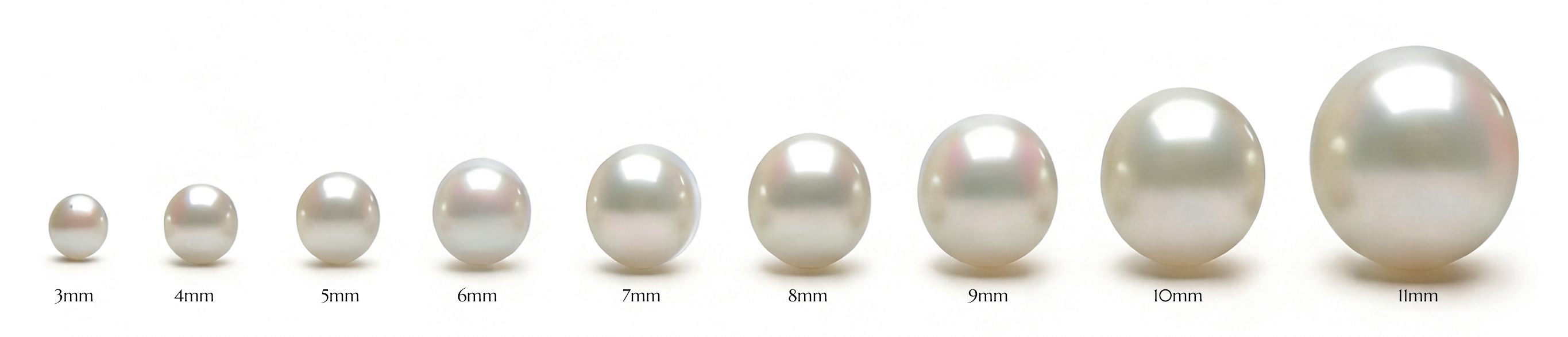
Small Pearls (2mm - 5mm): Often used in delicate jewelry, these are perfect for layering or creating understated pieces.
Medium Pearls (6mm - 9mm): This size range is popular for necklaces and earrings, offering a balance between presence and elegance.
Large Pearls (10mm and above): These striking pearls make a bold statement and are often featured in high-end jewelry pieces.
The ability to produce multiple pearls from a single mussel means that freshwater pearls can offer larger sizes at more accessible prices compared to their saltwater counterparts.
In contrast to freshwater pearls, saltwater pearls are typically more uniform in shape. They are usually round or near-round, thanks to the nucleation process that involves implanting a bead within the oyster. This method ensures a more controlled shape, but it limits the variety found in saltwater pearls.
Saltwater pearls: Generally, they are prized for their perfect roundness, making them a favorite for traditional pearl jewelry.
Freshwater pearls: Their irregular shapes add a unique charm, making them appealing to those who prefer a more organic look.
Overall, the choice between freshwater and saltwater pearls often comes down to personal preference. Those who appreciate uniqueness may lean towards freshwater pearls, while those seeking classic elegance may prefer the uniformity of saltwater pearls.
Tip: When selecting pearls for jewelry, consider the shape and size that best fits your style and the occasion, as freshwater pearls offer a wider variety at more approachable price points.

Freshwater pearls are celebrated for their stunning array of natural colors. Unlike saltwater pearls, which typically come in a limited range of hues, freshwater pearls can be found in various shades. Common natural colors include soft pastels such as white, cream, peach, pink, and lavender. This diversity arises from the unique characteristics of the freshwater mussels that produce them. Each mussel can create pearls with different colors, depending on the environment and the specific type of mussel. Additionally, freshwater pearls can also be found in darker shades, including blue and black, though these are often dyed to achieve a more vibrant look.
Color treatments are commonly applied to freshwater pearls to enhance or alter their natural hues. Techniques such as dyeing and bleaching are used to achieve bolder colors or to lighten the pearls. For example, a light pink pearl can be dyed to a deeper shade, or a white pearl can be bleached to enhance its brightness. While these treatments can create visually stunning results, it's essential to understand that they can affect the pearl's long-term appearance. Over time, the outer layers of treated pearls may wear off, leading to a loss of color intensity. Therefore, when purchasing freshwater pearls, it's a good idea to inquire about any treatments they may have undergone.
Luster is a crucial aspect of a pearl's beauty, and it varies between freshwater and saltwater pearls. Freshwater pearls typically exhibit a softer, more subtle luster due to their thicker nacre layers. This gives them a warm, dewy appearance that many find appealing. In contrast, saltwater pearls, especially Akoya pearls, are renowned for their sharp, mirror-like luster. Their nacre is thinner, which results in a brighter, more reflective surface.
While freshwater pearls may not shine as intensely as their saltwater counterparts, they possess a unique charm. The softer luster can complement various jewelry styles, from casual to formal. Many jewelry designers appreciate the understated elegance of freshwater pearls, making them a popular choice for everyday pieces.
In summary, the color and luster of freshwater pearls offer a distinct allure. Their natural color variations and softer luster set them apart from saltwater pearls, providing a unique option for those seeking versatile and beautiful jewelry.
Tip: When selecting freshwater pearls, consider their natural colors and any treatments applied, as these factors can significantly influence their appearance and longevity.
The price of freshwater pearls is influenced by several factors, including size, shape, color, and luster. Typically, freshwater pearls are more affordable than saltwater pearls due to their higher production volume. A single mussel can produce multiple pearls at once, which increases availability and lowers costs. The cultivation process is also less labor-intensive, allowing for quicker harvests.
When assessing the price of freshwater pearls, consider the following:
Size: Larger pearls generally command higher prices. Freshwater pearls can range from 2mm to 12mm or larger, with size impacting their cost.
Shape: Unique shapes like baroque or drop can be less expensive than perfectly round pearls, which are more sought after.
Color: Natural hues vary widely, with pastel shades often being more affordable than deeper or dyed colors.
Luster: Pearls with a brighter, more reflective surface typically have higher price tags.
While freshwater pearls are generally more budget-friendly, saltwater pearls often hold greater value due to their rarity and cultivation process. Saltwater pearls, such as Akoya, Tahitian, and South Sea, are usually produced one at a time per oyster, making them less common and more expensive.
For example, a strand of freshwater pearls may cost several hundred dollars, while a similar strand of high-quality saltwater pearls can run into the thousands. This price difference reflects not only the rarity but also the perceived luxury associated with saltwater pearls.
However, the gap is narrowing as the quality of freshwater pearls improves. Advances in cultivation techniques have led to more beautiful, high-quality freshwater pearls that can rival certain saltwater varieties. This means that consumers can find excellent value in freshwater pearls, especially for everyday wear.

Freshwater pearls are increasingly seen as a viable investment option. Their accessibility makes them ideal for those new to pearl jewelry, while their growing popularity and quality improvements may enhance their resale value over time.
When considering freshwater pearls as an investment, look for:
High-quality pearls: Choose those with good luster, uniform shape, and appealing colors.
Trendy designs: Jewelry pieces that reflect current fashion trends can retain or increase in value.
Certification: Buying from reputable dealers who provide authenticity guarantees can ensure you’re investing in genuine pearls.
In conclusion, while freshwater pearls may not yet match the investment potential of saltwater pearls, their affordability and increasing quality make them an appealing choice for both new buyers and seasoned collectors.
Tip: When purchasing freshwater pearls, consider their size, shape, and luster, as these factors significantly impact their price and overall value in the jewelry market.
When it comes to selecting pearls, understanding your budget and the occasion can significantly influence your choice. Freshwater pearls are often more budget-friendly, making them a popular option for everyday wear and gifts. Their affordability allows for versatile designs, from casual to elegant. For instance, a classic freshwater pearl necklace can be worn to work, while also being suitable for a dinner date.
On the other hand, saltwater pearls, particularly high-quality varieties like Akoya and South Sea pearls, tend to be pricier. They are often chosen for special occasions, such as weddings or anniversaries, where their luxurious appearance can truly shine. If you're looking to make a statement or invest in a timeless piece, saltwater pearls may be the way to go.
Durability is another vital factor when choosing between freshwater and saltwater pearls. Freshwater pearls generally have a thicker nacre, which contributes to their resilience. This makes them ideal for daily wear. You can confidently wear freshwater pearl jewelry without worrying too much about damage, as they can withstand the rigors of everyday life.
Saltwater pearls, while beautiful and lustrous, often have thinner nacre layers. This makes them more susceptible to scratches and wear over time. If you plan to wear your pearls frequently, freshwater varieties may be the better choice for their durability. However, if you're looking for something exquisite for occasional wear, saltwater pearls offer unmatched elegance.
The answer to which pearl is better for jewelry often depends on personal preference and intended use. Freshwater pearls are celebrated for their variety in shapes, sizes, and colors. They can be found in unique forms, such as baroque or button shapes, allowing for creative and artistic designs. This versatility makes them appealing for fashion-forward jewelry.
Saltwater pearls, in contrast, are typically more uniform in shape and size. Their roundness and high luster make them a classic choice for traditional pearl jewelry, such as strand necklaces and stud earrings. If you prefer a polished, classic look, saltwater pearls may align better with your style.
Ultimately, the best choice comes down to your individual taste, budget, and how you plan to wear the pearls. Both types offer unique qualities, making them valuable additions to any jewelry collection.
Tip: When selecting pearls, think about how often you'll wear them and the occasions they'll be used for, as this can guide you toward the best choice for your needs.
Freshwater pearls differ from saltwater pearls in cultivation, shape, size, color, and price. They offer unique shapes, vibrant colors, and a quicker production cycle, making them more affordable. Freshwater pearls are durable and versatile, ideal for everyday wear. Xueluo specializes in high-quality freshwater pearl jewelry that combines elegance with accessibility, providing options for all occasions. Explore the beauty of freshwater pearl jewelry and discover how it can enhance your style.
A: Freshwater pearls are pearls cultivated in freshwater bodies like rivers and lakes, primarily produced in China. They are known for their variety in shapes, sizes, and colors.
A: The cultivation of freshwater pearls involves inserting mantle tissue into mussels, prompting them to secrete nacre and form multiple pearls, typically within six months to two years.
A: Freshwater pearls offer a wider variety of shapes, colors, and affordability, making them a popular choice for everyday jewelry.
A: Freshwater pearls are generally more affordable than saltwater pearls, with prices influenced by size, shape, color, and luster.


