


A common myth dictates that oysters hold an exclusive monopoly on gem production. This belief ignores the reality of clam-produced gems in high-end jewelry and collector markets. Accidental discoveries in culinary settings frequently bring these biological anomalies to public attention. Collectors and enthusiasts often encounter significant hurdles when navigating the opaque gem market. Verifying the authenticity, origin, and true market value of a natural pearl requires specialized knowledge. Evaluating non-traditional mollusks like clams demands a departure from standard gemological criteria. Buyers, accidental discoverers, and investors must learn to differentiate between nacreous and non-nacreous structures. Assessing gemological grading standards ensures accurate identification. Implementing strict verification protocols mitigates the risks of purchasing misidentified or synthetic gems. This guide provides actionable insights for navigating the complex landscape of clam-produced bivalve gems.
Biological Reality: Clams do produce pearls, but they are typically non-nacreous (porcelaneous), lacking the traditional iridescent luster of oyster pearls but possessing unique, highly valued "flame" structures.
Extreme Rarity: A natural pearl found in a clam (such as the Quahog or Giant Clam) is exceptionally rare, as these species are not utilized in commercial pearl culturing.
Valuation Shift: The value of clam pearls relies heavily on color rarity (e.g., Quahog purple), carat weight, and symmetry, rather than traditional nacre thickness.
Accidental Discovery Protocol: Pearls found in restaurant seafood require specific preservation and professional appraisal to determine if they hold novelty or true gemological value.
Authentication Mandate: High-value purchases or sales require independent laboratory certification (e.g., GIA, SSEF) using X-ray radiography to confirm natural origin and rule out synthetics or treatments.
Table of Contents
Buyers often dismiss non-oyster gems as inauthentic. This skepticism stems from a fundamental misunderstanding of bivalve biology. People assume only specific oyster species possess the biological mechanisms necessary for gem formation. In reality, nearly any shelled mollusk can produce a calcareous concretion. Understanding the specific triggers for this biological defense mechanism clarifies why clams also yield valuable specimens.
The intrusion mechanism remains consistent across bivalve species. An irritant breaches the protective shell and enters the delicate mantle tissue. This irritant might be a microscopic parasite, shell fragment, or organic debris. The bivalve responds to this threat through a self-preservation protocol. The epithelial cells within the mantle tissue begin to multiply, eventually forming a sac around the foreign object. This pearl sac secretes layers of calcium carbonate to isolate the threat. Over years, this continuous secretion builds the concentric layers we recognize as a gem.
We must distinguish between nacreous and non-nacreous secretions to evaluate market potential. Nacreous gems consist of microscopic aragonite platelets bound by an organic protein called conchiolin. These platelets overlap like bricks on a roof, refracting light to create the signature iridescent luster typical of oysters. Non-nacreous or porcelaneous gems form differently. They consist of calcite and aragonite arranged in a radial pattern rather than overlapping plates. They lack traditional iridescence but often feature a distinct chatoyancy. This optical phenomenon creates striking flame structures highly prized in clam specimens.
The structural differences dictate how these gems react to environmental factors and mechanical stress. Nacreous structures possess a slight flexibility due to the higher concentration of conchiolin between the aragonite plates. Porcelaneous structures are denser and more rigid. This rigidity makes them slightly more resistant to surface scratching but more vulnerable to shattering upon hard impact. Field gemologists use these structural markers as the first step in identification.
Establishing a baseline helps contextualize the broader market. Traditional oyster pearls dominate both cultured and natural sectors. Akoya, South Sea, and Tahitian varieties set the standard for nacreous luster and spherical symmetry. Their predictable cultivation cycles ensure steady market supply. However, moving beyond this traditional baseline reveals a fascinating niche of non-nacreous alternatives.
The Quahog clam (Mercenaria mercenaria) offers a unique value proposition. These hard-shelled bivalves inhabit the Atlantic coast of North America, primarily from Canada down to Florida. They occasionally produce gems exhibiting distinctive lilac to deep purple coloration. The color derives from specific pigments in the clam's shell, which are occasionally transferred to the pearl sac during formation. Finding a gem-quality, spherical Quahog specimen is an event of extreme rarity. Jewelers historically incorporated these purple anomalies into bespoke, high-end pieces. Their scarcity drives significant collector interest.
Giant Clams (Tridacna gigas) present a different set of evaluation trade-offs. These massive marine bivalves inhabit the warm coral reefs of the Indo-Pacific region. They yield gems of extraordinary carat weight, sometimes weighing several pounds. They often display prominent, highly sought-after flame structures across their massive surfaces. However, their immense size and opaque nature limit traditional jewelry applications. Historical context elevates their status. Record-breaking specimens establish a high ceiling for museum-grade valuations. These pieces function more as historical artifacts than wearable accessories.
Common edible clams frequently surprise consumers. Species like Surf, Cherrystone, and Littleneck clams regularly appear in commercial seafood markets. Diners occasionally discover hard concretions while eating. While these bivalves frequently produce calcareous growths, they rarely yield gem-quality specimens. Most culinary finds lack the symmetry, color, and structural integrity required for market viability. They usually appear as chalky, irregular masses.
We must also contextualize gastropod alternatives to establish comprehensive gemological expertise. Melo Melo and Conch gems share similar porcelaneous characteristics with clam varieties. Collector markets often group these non-nacreous natural gems together. Understanding their shared optical properties and structural differences enhances overall appraisal accuracy.
Mollusk Type | Species Example | Secretion Structure | Key Visual Characteristics | Primary Market Application |
|---|---|---|---|---|
Oyster | Akoya, South Sea | Nacreous (Overlapping) | Iridescent luster, high reflection | Traditional fine jewelry |
Hard Clam | Quahog (Mercenaria) | Porcelaneous (Radial) | Lilac to deep purple, smooth | Bespoke jewelry, rare collections |
Giant Clam | Tridacna gigas | Porcelaneous (Radial) | Massive size, distinct flame pattern | Museum exhibits, historical artifacts |
Edible Clam | Littleneck, Surf | Calcareous Concretion | Chalky, irregular, dull | Novelty keepsakes |
Gastropod | Conch, Melo Melo | Porcelaneous (Radial) | Pink/orange hues, chatoyancy | High-end collector jewelry |
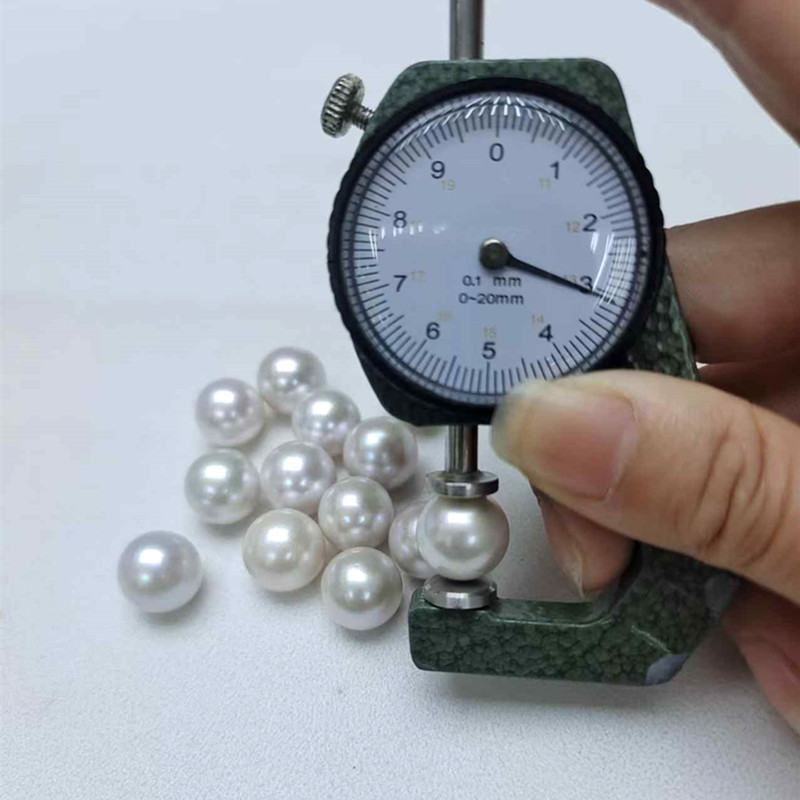
Discovering a gem in your restaurant meal requires immediate and careful action. Improper handling can permanently destroy a potentially valuable specimen. You must prioritize immediate preservation. The environment of a dinner plate is highly hazardous to calcareous structures. Acidic foods, metal cutlery, and extreme temperatures pose immediate threats to the structural integrity of the find.
Never clean the discovery using harsh chemicals, bleach, or acidic solutions like vinegar or lemon juice. Calcium carbonate dissolves rapidly upon contact with acids. Avoid boiling water and abrasive scrubbing pads completely. These methods will irreversibly damage the delicate porcelaneous surface, stripping away any potential luster or flame structure. Instead, rinse the object gently using lukewarm water and mild dish soap. Pat it dry using a soft microfiber cloth.
Follow a strict extraction and storage protocol. Remove the object from the clam meat using your fingers, not a fork or knife, to prevent scratching. Once rinsed and dried, wrap the specimen in a soft, uncolored tissue or a dedicated jewelry pouch. Do not store it in a plastic bag, as trapped moisture can degrade the surface over time. Keep it away from direct heat sources or prolonged sunlight.
Conduct an initial visual assessment before seeking professional help. Guide your evaluation using three primary metrics. First, check the basic symmetry. Is the object perfectly round, teardrop-shaped, or entirely irregular? Second, examine the surface smoothness. A valuable specimen feels smooth like polished ceramic. Chalky or rough textures indicate low quality. Finally, assess the color saturation. Deep, uniform colors hold significantly more potential than pale or mottled appearances.
Establish realistic expectations regarding appraisal versus novelty value. The vast majority of culinary discoveries are simply chalky, irregular concretions. They hold zero secondary market value and serve best as personal keepsakes. However, rare, symmetrical, and deeply colored finds warrant immediate professional review. A certified gemologist can determine if your accidental discovery possesses true gemological merit.
Action Category | Recommended Protocol | Strictly Prohibited Actions |
|---|---|---|
Extraction | Use bare fingers to gently separate from meat. | Do not use metal forks, knives, or hard tools. |
Cleaning | Rinse with lukewarm water and mild dish soap. | Do not use lemon juice, vinegar, bleach, or boiling water. |
Drying | Pat dry with a clean microfiber cloth. | Do not use abrasive paper towels or scrubbing pads. |
Storage | Place in a soft fabric pouch or uncolored tissue. | Do not store in airtight plastic bags or direct sunlight. |
Clam gems command a specific market position due to their cultivation status. Commercial operations cannot reliably culture these specimens. The complex biological environment and specific triggers remain too difficult to replicate artificially. Attempts to insert nuclei into Quahog clams typically result in the mollusk expelling the irritant or dying from the procedure. Therefore, almost every clam gem entering the market is a true natural anomaly. This absolute rarity forms the foundation of their market desirability.
Evaluating non-nacreous gems requires a specialized set of gemological grading criteria. Traditional nacre thickness metrics do not apply here. Instead, appraisers focus heavily on color and saturation. Evaluate the uniformity and intensity of the hue. Dark purple Quahog specimens command substantial collector interest due to their extreme scarcity. Uneven coloration, faded patches, or muddy brown undertones significantly reduce the overall assessment.
Flame structure serves as a critical evaluation dimension. Assess the visibility, symmetry, and chatoyancy of the surface pattern. High-quality specimens display a distinct, rolling flash of light across the surface when rotated. This optical effect resembles silk or moiré fabric. The phenomenon occurs because light reflects off the microscopic, radially aligned aragonite fibers beneath the surface. A strong, well-defined flame pattern elevates a specimen from a simple biological curiosity to an investment-grade asset.
Shape and symmetry directly impact market desirability. Quantify the drop-off based on geometric perfection. Perfect spheres represent the pinnacle of grading. Drops and symmetrical buttons follow closely behind, often utilized in pendants or earrings. Baroque or highly irregular shapes experience a steep decline in commercial appeal. Carat weight also plays a crucial role. Clam gems are typically denser than oyster varieties. The collector market grades these specimens based on exact carat weight rather than millimeter dimensions.
Durability, wearability, and color stability dictate practical application. Compare the Mohs hardness and toughness of porcelaneous clam gems against traditional nacreous varieties. Porcelaneous structures generally offer slightly better resistance to scratching, sitting around 3.5 to 4 on the Mohs scale. However, they remain vulnerable to sudden impacts. Highlight the specific risk of UV degradation. Purple Quahog gems can fade if exposed to prolonged direct sunlight. Owners must follow strict care requirements to maintain color stability and preserve asset viability.

The gem market divides sharply between cultured predictability and natural volatility. Cultured oysters offer high availability and standardized grading systems. Consumers benefit from consistent aesthetic qualities and reliable supply chains. You can easily source a perfectly matched strand of Akoya gems for a traditional necklace. However, this predictability sacrifices historical significance. Cultured pieces hold minimal extreme-rarity value over the long term.
Natural clam gems represent the exact opposite end of the spectrum. They introduce significant market volatility. Supply remains entirely unpredictable, relying on accidental discoveries or specialized foraging. Market assessment is highly subjective, depending on finding the right collector who values the specific color and flame structure. The secondary market for these pieces is notably illiquid. You cannot liquidate a Quahog gem as quickly as a standard gold ring. This volatility is offset by absolute uniqueness. Museum-quality specimens possess exceptionally high ceiling valuations among dedicated collectors.
Investors must define strict success criteria before entering this niche. What makes a clam gem an investment-grade asset? First, it requires documented provenance detailing its origin and discovery. Second, it should remain in an un-drilled state. Drilling a hole for jewelry mounting permanently alters the natural structure and can reduce collector value. Third, it must exhibit top-tier color saturation and a highly stable flame structure. Meeting these criteria ensures long-term asset viability.
Navigating the natural gem market involves substantial implementation risks. Misidentification and outright fraud run rampant in unregulated sectors. Unscrupulous sellers frequently market polished shell beads as rare clam gems. They cut thick sections of Tridacna shell, polish them into spheres, and present them as natural formations. They dye low-quality freshwater pieces to mimic the coveted Quahog purple. Synthetic composites occasionally surface, designed to deceive novice buyers. You must remain vigilant against these common market frauds.
Undisclosed treatments pose another significant risk. Sellers often utilize dyeing or irradiation techniques. These processes artificially enhance pale specimens, mimicking the rare colors of premium Quahog gems. Detecting these treatments visually is nearly impossible for the untrained eye. Relying solely on a jeweler's loupe will not protect your capital. The dye often penetrates deep into the radial fibers, making surface inspection inadequate.
Mitigation requires advanced laboratory testing. Explain the absolute necessity of X-ray computed microtomography (micro-CT). This technology allows gemologists to examine the internal structure without damaging the specimen. A natural formation will show concentric growth rings extending from the center to the surface. A cultured or manufactured piece will reveal a solid bead nucleus or unnatural internal boundaries. X-ray fluorescence (EDXRF) helps identify chemical signatures associated with specific mollusk species, detecting trace elements like manganese or strontium to verify origin.
Establishing strict sourcing and chain of custody protocols protects your capital. Follow these specific vetting steps when acquiring a specimen:
Buy exclusively through specialized natural gem dealers or reputable auction houses with a documented history of handling non-nacreous specimens.
Never finalize a high-value transaction without a guaranteed return policy written into the contract.
Ensure the return policy allows a minimum of 30 days for independent lab verification.
Submit the specimen directly to a recognized authority like GIA or SSEF for a comprehensive identification report.
If the laboratory report contradicts the seller's claims regarding origin or treatment, execute the return policy immediately.
Take the following actions to secure your investment:
Isolate and carefully clean any accidental culinary discovery using only mild soap and water.
Photograph the specimen under natural daylight to document its initial color and surface condition.
Demand a recent, verifiable identification report from a globally recognized gemological laboratory like GIA or SSEF before purchasing.
Verify the laboratory report explicitly states "Natural Pearl" and correctly identifies the specific mollusk species.
Store high-value porcelaneous gems in dark, climate-controlled environments to prevent UV degradation and surface cracking.
A: Yes, provided they meet strict gem-quality standards. Value depends heavily on geometric shape, color saturation, and surface pattern. A perfectly spherical, deeply colored Quahog specimen commands exceptional collector interest. Conversely, irregular, chalky concretions hold minimal commercial viability.
A: They are exceptionally rare. Estimates suggest only one in 5,000 to one in 100,000 commercial clams contains any form of calcareous concretion. Furthermore, only a microscopic fraction of those discoveries possess the symmetry and color required for gemological viability.
A: Oyster varieties are typically nacreous, displaying a shiny, iridescent luster due to overlapping aragonite platelets. Clam varieties are usually non-nacreous or porcelaneous. They resemble smooth porcelain or ceramic and often feature a unique optical flame pattern instead of traditional iridescence.
A: Yes. The presence of a calcareous growth is simply a localized biological reaction to an internal irritant. It does not affect the safety or edibility of the surrounding meat. However, biting down forcefully on a hidden gem can cause severe dental damage.
A: Remove the object carefully from the meat. Wash it gently using mild dish soap and lukewarm water. Never use acid, bleach, or boiling water. Store it safely in a soft fabric pouch. If it appears spherical and brightly colored, consult a certified gemologist.
A: Biologically, any mollusk possessing a shell has the potential to produce a calcareous concretion. If an irritant becomes permanently trapped within the mantle tissue, the defense mechanism triggers. However, very few species produce specimens possessing commercial gemological value.
A: Gemologists utilize advanced X-ray radiography and micro-CT scans to examine internal structures non-destructively. A natural specimen displays concentric growth rings throughout its entire volume. A cultured specimen reveals a solid, artificially inserted bead nucleus at its center.


